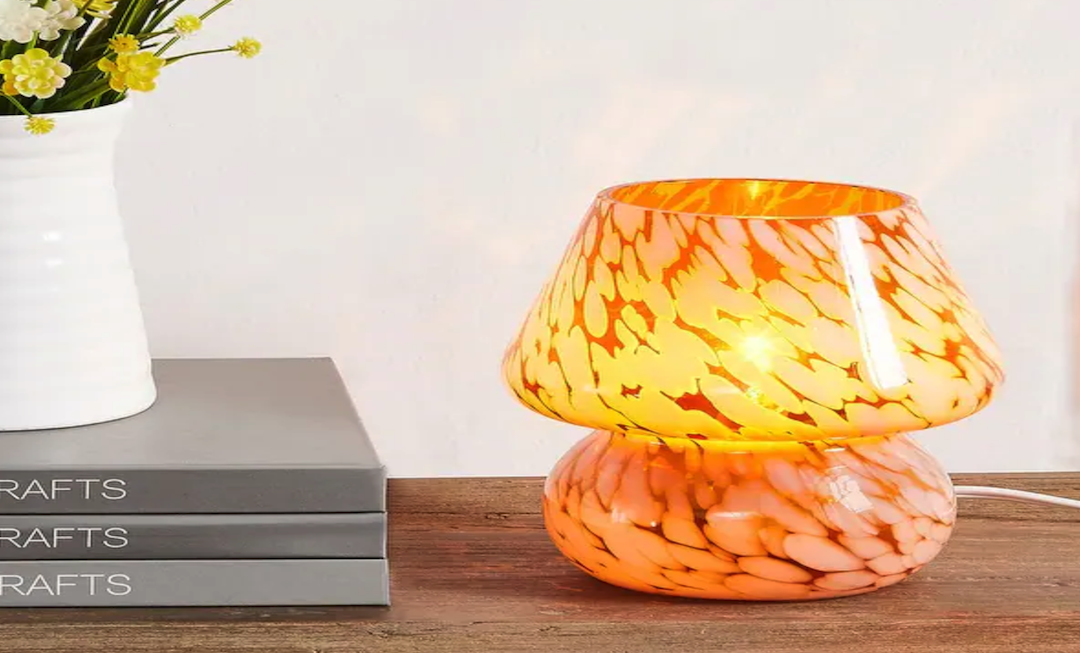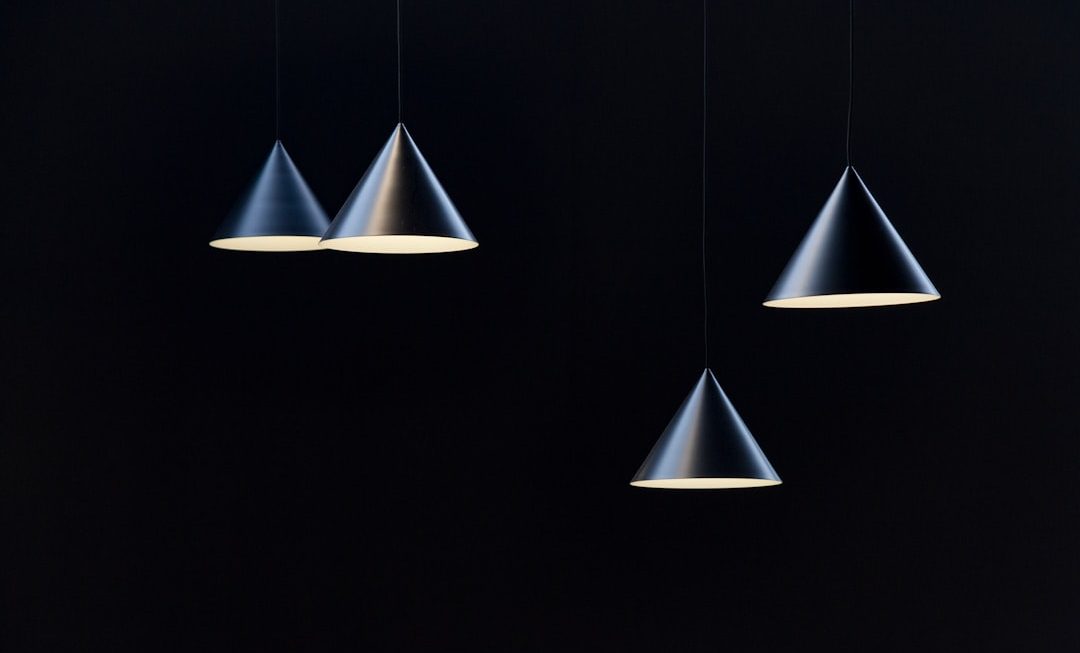
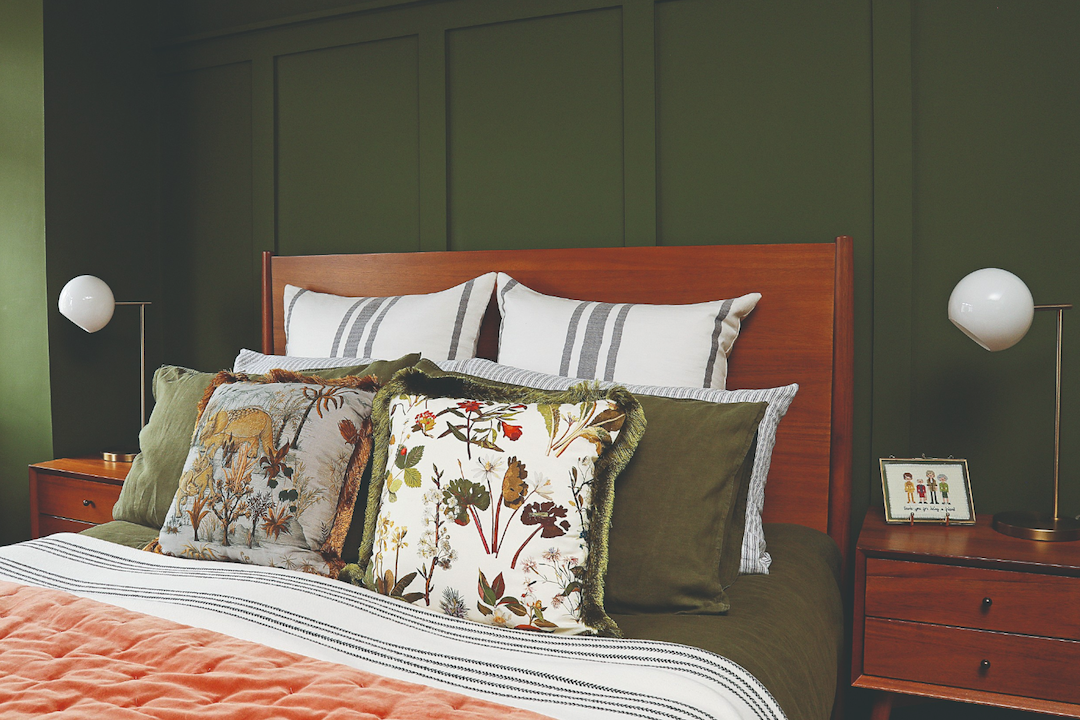
Bedside table lamps serve as more than mere sources of light; they are integral components of a bedroom’s ambiance and functionality. A “warm ambient” bedside lamp specifically refers to a lighting fixture designed to emit illumination characterized by a lower correlated color temperature (CCT), typically in the range of 2200K to 3000K, and often possesses features that diffuse light rather than directing it intensely. This combination contributes to an environment conducive to relaxation and pre-sleep routines, differing significantly from brighter, more utilitarian lighting often found in other domestic spaces. The selection of such a lamp involves considerations of health, aesthetics, and practical utility.
The human body’s circadian rhythm, a natural and internal process that regulates the sleep-wake cycle, is profoundly influenced by light 88off exposure. This biological clock is sensitive to the intensity and spectral composition of light.
Melatonin Suppression and Blue Light
Melatonin, a hormone primarily released by the pineal gland, plays a crucial role in regulating sleep. Exposure to short-wavelength light, commonly known as “blue light” (approximately 450-495 nm), particularly in the evening hours, has been demonstrated to suppress melatonin production. This suppression can delay sleep onset and disrupt the sleep architecture. Warm ambient lighting, conversely, exhibits a significantly reduced blue light component compared to cooler-toned LEDs (above 4000K) or broad-spectrum fluorescent lights. By minimizing blue light exposure before sleep, a warm ambient lamp helps to facilitate the natural secretion of melatonin, thus signaling to the body that it is time to rest.
Visual Comfort and Reduced Glare
The human eye perceives warm light as less harsh and more comfortable, especially in low-light conditions. High-contrast illumination or intense, direct light sources can cause glare, leading to eye strain and discomfort. Warm ambient lamps frequently incorporate diffusers, frosted glass, or fabric shades to soften the emitted light. This diffusion scatters the light rays, reducing the intensity of direct illumination and minimizing the potential for glare. For activities such as reading in bed, diffused warm light provides adequate illumination without the harshness that can accompany brighter, more focused light sources. This contributes to sustained visual comfort, allowing for prolonged reading or other bedside activities without undue strain.
Psychological and Emotional Responses
Beyond physiological effects, light color temperature elicits distinct psychological and emotional responses. Warm light is commonly associated with natural light sources such as candlelight, sunsets, and incandescent bulbs, which historically characterized domestic evening environments. This association often evokes feelings of comfort, safety, and tranquility. Cooler, brighter light,Conversely, is often linked to alertness, productivity, and daytime activities. Utilizing warm ambient bedside lighting can therefore contribute to a sense of calm and well-being, transitioning the mental state from active engagement to restorative rest.
Functional Considerations for Bedside Lamps
While aesthetics are important, the practical utility of a bedside lamp is paramount. Its design and features should align with the user’s specific needs and routines.
Task Lighting for Reading and Other Activities
A bedside lamp is not solely for ambiance; it also serves as a crucial source of task lighting. For individuals who read in bed, adjust their CPAP machines, or engage in other low-light activities, the lamp must provide adequate illumination without being overly bright or disruptive to a sleeping partner. Features such as adjustable brightness settings (dimmers) allow the user to tailor the light output to the specific task. Some lamps incorporate focused uplighting or downlighting options, which can be useful for directing light precisely where it is needed without broadly illuminating the entire room. The positioning of the lamp also plays a role in its effectiveness as task lighting; it should illuminate the reading material or workspace without casting unwanted shadows or creating glare.
Controls and Accessibility
The accessibility and intuitiveness of a lamp’s controls significantly impact its user experience. Common control mechanisms include toggle switches, rotary dimmers, touch-sensitive bases, and pull chains. For bedtime use, controls that are easily located and operated in a low-light environment are preferable. Some modern lamps incorporate smart home integration, allowing control via voice commands or smartphone applications. This can be particularly beneficial for individuals with mobility limitations or those who prefer to adjust lighting without needing to physically reach for a switch. The placement of controls, whether on the lamp base, cord, or an integrated remote, should be considered for user convenience and ergonomic comfort.
USB Charging Ports and Other Utilities
Contemporary bedside lamps often integrate additional functionalities that enhance their utility. Built-in USB charging ports provide a convenient power source for smartphones, tablets, or other electronic devices, reducing the need for multiple wall adapters and freeing up electrical outlets. Other integrated features may include discreet shelving, digital clocks, or even small storage compartments. While these additions can enhance convenience, their inclusion should be weighed against potential design compromises or visual clutter. The primary function of the lamp – providing appropriate illumination – should not be overshadowed by an excessive array of secondary features.
Aesthetic Integration and Design Principles
A bedside lamp is a prominent element in bedroom decor, and its design should complement the overall aesthetic of the space. It acts as a visual anchor, drawing the eye and contributing to the room’s character.
Materiality and Texture
The materials used in a lamp’s construction significantly influence its aesthetic appeal and the quality of light it emits. Common materials include metal (brass, bronze, chrome), wood (oak, walnut), ceramic, glass, and various fabrics for shades. Each material conveys a distinct sensibility: metal often suggests modern or industrial design, wood evokes natural warmth, and ceramic can offer artisanal charm. When selecting a lamp, consider how its material properties resonate with the existing textures and finishes in the bedroom. For instance, a lamp with a natural linen shade might complement a rustic decor, while a sleek metal lamp with a frosted glass diffuser would suit a minimalist modern space. The texture of the shade also influences light diffusion; opaque fabrics offer more concentrated light, while translucent materials disperse it more broadly.
Form and Proportion
The shape and size of a bedside lamp should be proportionate to the bedside table and the bed itself. An oversized lamp can overwhelm a small table, while a diminutive lamp may appear lost on a larger surface. Consider the height of the lamp in relation to the bed; ideally, the bottom of the lampshade should be roughly level with the user’s eye when seated or reclining in bed. This positioning ensures that the light source is adequately positioned for reading while minimizing direct glare. The lamp’s form can also contribute to the room’s narrative: a geometric design might underscore a contemporary theme, while an organically shaped lamp could enhance a bohemian or natural aesthetic. Achieving balance and visual harmony is key in integrating the lamp seamlessly into the bedroom’s design scheme.
Style Compatibility
The stylistic congruence of the lamp with the existing bedroom decor is essential for a cohesive environment. A wide array of lamp styles exists, including modern, traditional, industrial, Scandinavian, art deco, and minimalist, among others. A modern lamp with clean lines and polished finishes would likely clash with a historically themed bedroom featuring ornate furnishings. Conversely, a highly decorative, traditional lamp might appear out of place in a minimalist setting. Before selecting a lamp, identify the prevailing style of your bedroom. Consider elements such as furniture lines, textile patterns, and wall treatments. The lamp should act as an accent that enhances the established aesthetic, rather than an incongruous element that disrupts it.
Enhancing Ambiance Through Light Control
Beyond the inherent qualities of a warm ambient lamp, the ability to control its output and behavior is crucial for cultivating a dynamic and adaptable bedroom environment.
Dimming Capabilities
Dimming functionality offers granular control over light intensity, allowing the user to precisely adjust the illumination level to suit various activities and personal preferences. A dimming lamp transforms from a task light for reading into a subtle nightlight or a gentle atmospheric glow. For individuals sharing a bedroom, effective dimming allows one person to maintain low-level lighting without disturbing a sleeping partner. Dimmer mechanisms can range from simple rotary switches to integrated touch controls or smart home systems. The quality of the dimmer also matters; a poor-quality dimmer can cause flickering or buzzing, undermining the intended calming effect. Look for smooth, continuous dimming without abrupt changes in light intensity.
Smart Lighting Integration
The advent of smart home technology has extended to bedside lighting, offering advanced control and automation capabilities. Smart lamps can be controlled remotely via smartphone applications, voice commands (e.g., through virtual assistants like Amazon Alexa or Google Assistant), or integrated smart home ecosystems. This allows for scheduled lighting changes, such as gradually dimming the light to simulate sunset, aiding in sleep preparation. Some smart lamps offer tunable white options, allowing the user to adjust not only brightness but also the color temperature, although for a warm ambient bedside lamp, the focus remains on the lower CCT range. Smart lighting offers immense flexibility, transforming a static light source into a dynamic and highly personalized element of the bedroom’s environment.
Avoiding Light Spill and Directional Control
While warm ambient light prioritizes diffusion, the ability to control light spill—the unintentional spread of light to areas where it is not desired—is still an important consideration. For instance, a lamp with an opaque shade that directs light downwards can be beneficial for reading without illuminating the entire room, which might disturb a partner. Some lamps feature adjustable heads or arms that allow the user to point the light precisely. This directional control allows for targeted illumination, creating a localized pool of light that serves a specific purpose without broadly impacting the overall room ambiance. Consideration of the lampshade material and design is also crucial; a denser, more opaque shade will minimize light spill compared to a thin, translucent one.
Maintenance and Longevity of Bedside Lamps
Like any household fixture, a bedside lamp requires periodic maintenance to ensure its continued performance and longevity. Investing in quality components also contributes to its durability.
Bulb Selection and Lifetime
The choice of light bulb significantly impacts the lamp’s performance and lifespan. For warm ambient lighting, LED bulbs are generally preferred over traditional incandescent or compact fluorescent (CFL) bulbs due to their superior energy efficiency, longer lifespan, and consistent light output. When selecting LED bulbs, pay attention to the correlated color temperature (CCT) to ensure it falls within the desired warm range (2200K-3000K). Lumens indicate brightness; select a bulb with a lumen output appropriate for your needs, factoring in the lamp’s dimming capabilities. The beam angle also affects light distribution. Reputable LED bulbs can last for tens of thousands of hours, significantly reducing the frequency of bulb replacement compared to traditional incandescent options.
Cleaning and Care
Regular cleaning helps maintain the aesthetic appeal and performance of a bedside lamp. Dust accumulation on shades, bases, and bulbs can diminish light output and potentially overheat certain components. For fabric shades, a soft brush or a lint roller can remove dust. Glass or metal components can be wiped with a damp cloth and mild cleaner, avoiding abrasive materials that might scratch surfaces. Always disconnect the lamp from its power source before cleaning. For lamps with intricate designs or delicate materials, follow the manufacturer’s specific cleaning instructions. Proper care ensures the lamp continues to function optimally and contributes to keeping the bedroom looking tidy and inviting.
Repairability and Component Quality
The longevity of a lamp is tied to the quality of its components and its repairability. Lamps constructed with durable materials, sturdy wiring, and high-quality switches and sockets tend to withstand prolonged use. Consider lamps with user-replaceable parts, such as standard light bulb sockets, which allows for easy bulb changes. While some integrated LED fixtures require professional service for bulb replacement, many bedside lamps are designed for user-friendly maintenance. Investing in a lamp from a reputable manufacturer often translates to better component quality and, consequently, a longer operating life, reducing waste and the need for frequent replacements.