The concept of “modern elegance,” when applied to illumination, often evokes designs that are both understated and impactful. This aesthetic frequently prioritizes clean lines, refined materials, and innovative light delivery. Within this context, the “slim crystal light” emerges as a particular form of lighting fixture. This article will explore the characteristics, applications, and historical development of such lights, emphasizing their design principles and architectural integration.
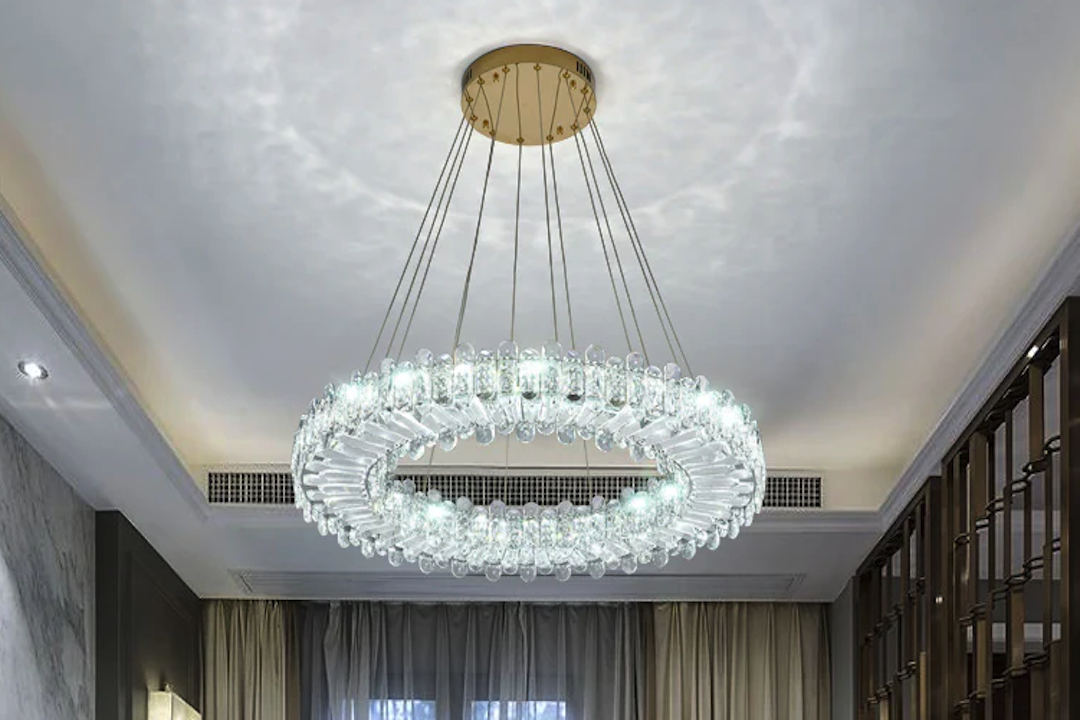
Slim crystal lights are a category of lighting fixtures distinguished by their use of crystal elements within a slender profile. Unlike traditional crystal chandeliers, which often feature voluminous designs and numerous, often weighty, crystal prisms, slim crystal lights Lamp24 aim for a more minimalist aesthetic. The “slim” aspect refers to the overall depth, width, or diameter of the fixture, ensuring it maintains a less obtrusive presence compared to its predecessors.
Core Design Principles
The design of slim crystal lights is predicated on several key principles. These principles contribute to their contemporary appeal and functionality.
- Minimalist Form: Designers prioritize stripped-down shapes, often geometric, such as linear bars, rings, or thin panels. This reduction in form allows the crystal elements to stand out without competing with an overly ornate structure.
- Integrated Light Sources: Modern slim crystal lights almost exclusively utilize integrated LED technology. This allows for extremely compact light engines, contributing to the slim profile and enabling designers to embed light sources directly within or around the crystal components, rather than relying on external bulbs.
- Refined Crystal Application: Instead of large, dangling prisms, slim crystal lights often feature more subtle applications of crystal. This can include thin crystal diffusers, embedded crystal shards, or precisely cut crystal panels that refract and disperse light in controlled ways.
- Quality Materials: Beyond crystal, the supporting structure of these lights is typically crafted from high-quality metals such as brushed aluminum, polished chrome, or matte black steel. These materials complement the precision of the crystal and contribute to the fixture’s overall sophisticated appearance.
- Versatility in Mounting: Slim crystal lights are available in various mounting configurations, including suspended pendants, flush-mount or semi-flush ceiling lights, and wall sconces, allowing for diverse architectural integration.
Evolution from Traditional Crystal Chandeliers
To understand the slim crystal light, it is helpful to contrast it with the traditional crystal chandelier. The latter, originating in the 17th century, typically featured heavy frames adorned with numerous lead crystal prisms designed to magnificently refract candlelight. These fixtures were symbols of wealth and grandeur, often dominating large ballrooms and grand foyers. The slim crystal light represents a significant divergence from this tradition. Where traditional chandeliers were an overt declaration, slim crystal lights are a subtle assertion. They retain the allure of crystal’s light-refracting properties but re-contextualize them within a contemporary framework, moving from ostentation to subtlety.
Applications in Interior Design
Slim crystal lights are versatile and can be incorporated into a wide range of interior design schemes, from residential to commercial settings. Their ability to deliver both ambient and task lighting in an aesthetically pleasing manner makes them a valuable design element.
Residential Spaces
In homes, slim crystal lights are frequently employed to add a touch of refined elegance without overpowering the space.
- Dining Areas: Linear slim crystal pendants are popular choices above dining tables. They provide sufficient illumination across the table surface while offering a decorative focal point that is less visually heavy than a traditional chandelier. The crystal elements introduce a sparkle that enhances the dining experience, akin to facets catching light in a precious stone.
- Living Rooms: Recessed slim crystal fixtures or unobtrusive semi-flush mounts can provide ambient lighting, creating a comfortable atmosphere. Wall-mounted slim crystal sconces can add accent lighting, highlighting artwork or architectural features.
- Bedrooms: For bedrooms, softer, diffused slim crystal lights can create a serene environment. Smaller, delicate pendants or flush mounts can provide a touch of luxury without being distracting.
- Bathrooms: Moisture-resistant slim crystal lights, often in the form of vanity bar lights or ceiling fixtures, can add a sophisticated touch to a bathroom. The reflective properties of crystal can enhance the sense of cleanliness and brightness.
- Entryways and Hallways: Linear or geometric slim crystal lights can guide the eye through transitional spaces, providing both illumination and an aesthetically pleasing welcome.
Commercial and Hospitality Settings
The clean lines and refined appearance of slim crystal lights make them suitable for sophisticated commercial environments.
- Restaurants and Bars: In upscale dining establishments and lounges, slim crystal pendants can define seating areas, providing intimate lighting. Linear fixtures above bars or reception desks can add a touch of glamour without being overly decorative.
- Hotel Lobbies and Corridors: Multi-tiered or sculptural slim crystal installations can serve as artistic centerpieces in hotel lobbies. In corridors, recessed or flush-mount slim crystal lights can provide consistent, elegant illumination.
- Boutiques and Retail Spaces: The precise light dispersion from crystal elements can be effectively used to highlight merchandise in luxury retail environments. Slim crystal lights can contribute to a high-end brand image.
- Corporate Offices: While less common in general office areas, executive offices, boardrooms, and reception areas can benefit from the sophisticated aesthetic of slim crystal lights, projecting a sense of professionalism and attention to detail.
Materials and Manufacturing
The quality and performance of a slim crystal light are directly linked to the materials used and the precision of its manufacturing process.
Crystal Components
The “crystal” in slim crystal lights refers to a specific type of glass with a high lead content (historically) or a high refractive index (modern lead-free alternatives). This composition allows the material to refract light more effectively than standard glass, creating a sparkling effect.
- Crystal Types: Common crystal types include K9 crystal (a high-quality optical borosilicate crown glass, lead-free) and Swarovski crystal (a proprietary blend known for its exceptional brilliance and precise cuts). The choice of crystal affects the light’s sparkle, clarity, and overall cost.
- Cutting and Polishing: Crystal elements are precisely cut and polished to maximize their light-refracting properties. Modern manufacturing often uses advanced laser cutting and automated polishing techniques to achieve consistent quality and intricate facet designs.
- Integration with Light Sources: The crystal is often designed to work in conjunction with the LED light source. For example, a frosted crystal diffuser might soften the light, while clear, faceted crystal elements will scatter it into a dazzling display of spectral colors.
Metallic Structures
The structural components of slim crystal lights, typically made of metal, are integral to their minimalist aesthetic and durability.
- Aluminum: Lightweight and corrosion-resistant, aluminum is frequently used for the housing and frames. It can be finished with anodization, powder coating, or brushing to achieve various aesthetic effects.
- Steel: Stainless steel or plated steel (chrome, nickel) provides strength and a sleek, reflective surface. Matte black finishes are also popular for contemporary designs, offering a distinct contrast to the glistening crystal.
- Brass: Sometimes used for a warmer, more traditional metallic accent, though less common in purely “slim” designs that favor cooler tones.
- Finishing Processes: Electroplating, PVD (Physical Vapor Deposition), and powder coating are common finishing techniques that enhance the metal’s appearance, durability, and resistance to corrosion and wear.
LED Technology
The evolution of LED technology has been a primary enabler for the slim profiles and innovative designs seen in modern crystal lights.
- Efficiency and Longevity: LEDs are highly energy-efficient and have exceptionally long lifespans, reducing maintenance requirements—a significant advantage, especially in fixtures where accessing individual bulbs might be challenging due to integrated design.
- Compact Size: The small size of individual LED chips allows for their integration directly into the fixture’s structure, eliminating the need for bulky traditional bulbs. This is crucial for achieving the “slim” aesthetic.
- Color Temperature and Dimming: Modern LEDs offer a wide range of color temperatures (from warm white to cool white), allowing designers to select the appropriate ambiance. Many slim crystal lights are also dimmable, offering further control over the lighting environment.
- Durability: LEDs are solid-state devices, making them more resistant to shock and vibration compared to traditional incandescent or fluorescent bulbs.
Installation and Maintenance Considerations
While often appearing delicate, slim crystal lights are designed for practical use. However, their installation and maintenance require specific considerations.
Installation Challenges
The “slim” nature of these fixtures can present unique installation challenges.
- Precise Alignment: In linear or geometric designs, precise alignment during installation is critical to maintain the intended aesthetic. Slight deviations can be noticeable due to the fixture’s clean lines.
- Weight Distribution: While slim, some designs, particularly larger suspended pieces, may still require secure mounting to ceiling joists or robust anchor points to support their weight and ensure safety.
- Wiring Concealment: The minimalist aesthetic demands that all wiring is neatly concealed. This often requires careful planning during rough-in electrical work.
- Integrated Drivers: Many LED slim crystal lights utilize external or integrated LED drivers. These components need to be properly housed and ventilated according to manufacturer specifications.
Maintenance and Cleaning
Regular maintenance helps preserve the appearance and performance of slim crystal lights.
- Dusting: Regular, gentle dusting with a microfiber cloth is usually sufficient for general cleaning. Avoid abrasive materials that could scratch the crystal or metal finishes.
- Smudge Removal: For fingerprints or smudges on crystal, a glass cleaner specifically designed for crystal or optics, applied to a soft cloth (not directly to the fixture), can be used. Ensure the fixture is powered off and cool before cleaning.
- Metal Finishes: Metal finishes (chrome, brushed nickel, etc.) should be cleaned with a soft, damp cloth and mild, non-abrasive cleaners if necessary. Strong chemical cleaners can damage finishes.
- LED Longevity: As LEDs have long lifespans, bulb replacement is generally not a frequent concern. However, if individual LED modules or drivers fail, replacement typically requires a qualified electrician and may involve replacing an entire section or the fixture itself, depending on the design.
- Professional Cleaning: For complex fixtures, or those in high-traffic commercial environments, periodic professional cleaning may be advisable to ensure optimal appearance and functionality.
The Future Trajectory of Slim Crystal Lighting
The arena of lighting design is dynamic, driven by technological advancements and evolving aesthetic preferences. Slim crystal lights, as a relatively modern category, are poised for continued development.
Integration with Smart Home Technology
The seamless integration of lighting with smart home systems is a significant trend. Expect to see more slim crystal lights featuring:
- App Control: Control over brightness, color temperature, and even color (in RGBW variants) via smartphone applications.
- Voice Control: Compatibility with voice assistants like Amazon Alexa or Google Assistant for hands-free operation.
- Scheduled Lighting: Programmed lighting scenes for different times of day or activities, enhancing convenience and energy efficiency.
- Sensor Integration: Motion or occupancy sensors that automatically adjust lighting levels, responding to presence and ambient light conditions.
Further Miniaturization and Customization
Continued improvements in LED technology will likely lead to even smaller, more powerful light sources, enabling further miniaturization of slim crystal lights. This could open doors for more intricate designs and the integration of crystal elements in unexpected ways.
- Hyper-Thin Profiles: Fixtures that are almost imperceptible until illuminated, blending seamlessly into architectural surfaces.
- Sculptural Forms: The ability to bend, mold, or assemble crystal and light sources into truly organic or abstract forms, pushing the boundaries beyond geometric shapes.
- Parametric Design: Customizable designs generated through algorithms, allowing clients to specify unique patterns and configurations tailored to their space.
Sustainability and Material Innovation
As environmental concerns become more prominent, the emphasis on sustainable practices will influence the design and manufacturing of slim crystal lights.
- Recycled Materials: Increased use of recycled metals and potentially recycled glass or crystal alternatives.
- Energy Efficiency Standards: Even stricter efficiency standards for LED components and drivers.
- Modular Design: Fixtures designed for easier disassembly and recycling of components at the end of their lifespan, reducing waste.
- Responsible Sourcing: Greater transparency in the sourcing of crystal and other raw materials, ensuring ethical and environmentally sound practices.
In conclusion, the slim crystal light is more than just a decorative element; it is a manifestation of modern design principles where form follows function, elegance resides in subtlety, and advanced technology enables refined aesthetics. As you consider your lighting choices, understand that these fixtures are not simply sources of light but carefully crafted design statements, acting as illuminated sculptures that define and enhance the spaces they inhabit. Their continued evolution promises an even greater fusion of artistry, technology, and environmental consciousness.