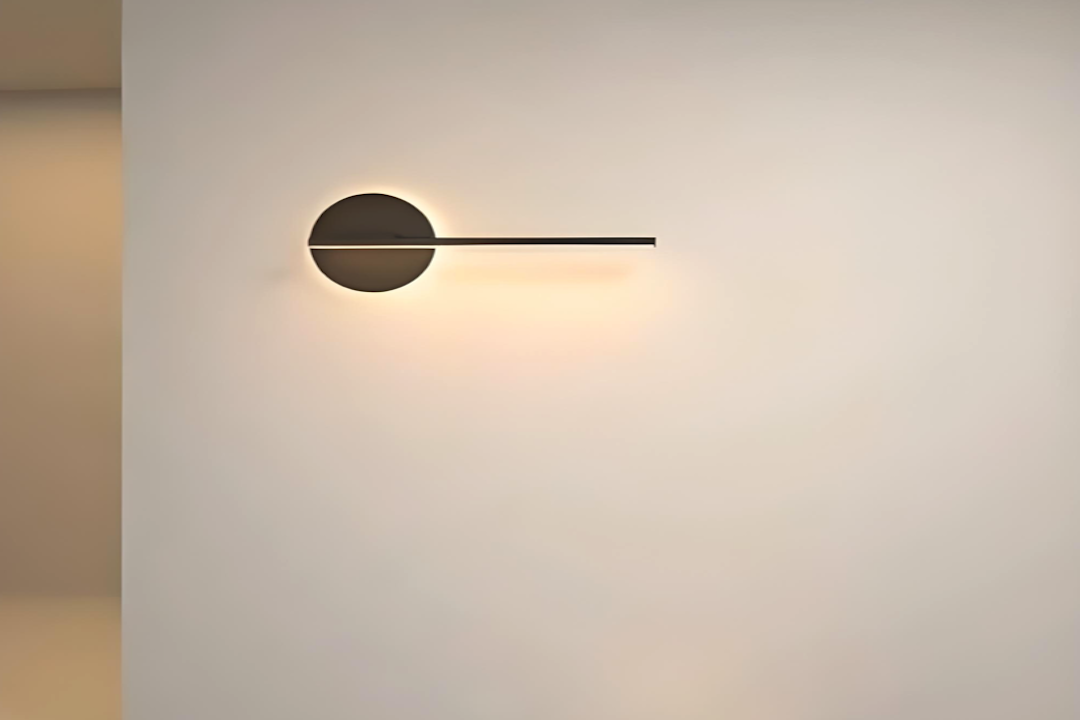
The minimalist concrete wall lamp represents a design approach that foregrounds simplicity, functionality, and material honesty. It is a lighting fixture designed for wall mounting, typically featuring a body constructed predominantly from concrete. This design ethos aligns with Brutalism, an architectural style characterized by its emphasis on raw, unfinished concrete and monumental forms.
The development of the minimalist concrete wall lamp Scules is rooted in several design and architectural movements, each contributing to its aesthetic and conceptual underpinnings.
Brutalist Architecture
Brutalism, a term coined by British architectural critic Reyner Banham in 1955, derives from the French béton brut (raw concrete), a phrase used by Le Corbusier to describe the exposed concrete surfaces of his post-World War II buildings. This style emerged in the mid-20th century, particularly prominent from the 1950s to the mid-1970s. Brutalist structures are often characterized by their massive, monolithic appearance, geometric forms, and a deliberate exposure of construction materials and structural elements. The focus was on the integrity of the material, eschewing applied ornamentation in favor of the inherent qualities of concrete itself. Architects like Le Corbusier, Paul Rudolph, and Alison and Peter Smithson championed this aesthetic, believing in a form of architecture that was honest about its construction and expressed a certain social realism.
Bauhaus Movement
While seemingly disparate, the Bauhaus movement (1919-1933) laid foundational principles that resonate within minimalist concrete lamp design. The Bauhaus advocated for a synthesis of art, craft, and technology, prioritizing function and form over ornamentation. It promoted the idea that industrial materials could be used to create aesthetically pleasing and functional objects accessible to a broad public. The emphasis on clean lines, geometric shapes, and a reduction to essential elements, central to Bauhaus philosophy, directly informs the minimalist aspect of these lamps. The ‘less is more’ dictum, often attributed to Bauhaus architect Ludwig Mies van der Rohe, remains a powerful guiding principle.
Industrial Design
The broader field of industrial design, with its focus on mass production and practical aesthetics, also contributes. As concrete became a more widely understood and manipulable material, designers began exploring its application beyond large-scale construction. The industrial aesthetic, with its appreciation for unrefined surfaces, visible connections, and a utilitarian appearance, naturally extended to lighting fixtures. This appreciation for the manufactured and the functional over the purely decorative is a common thread.
Materiality of Concrete
The selection of concrete as the primary material for these wall lamps is central to their identity and impact. Concrete is more than just a structural element; it acts as a defining aesthetic component.
Composition and Properties
Concrete is a composite material composed primarily of Portland cement, aggregate (such as sand and gravel), and water. Admixtures can be added to modify its properties, including strength, workability, and setting time. When mixed, these components react chemically (hydration) to form a durable, stone-like material. Its inherent properties include high compressive strength, durability, and fire resistance. For interior applications, especially for smaller objects like lamps, finer aggregates are often used to achieve smoother finishes, and specialized concretes, such as fiber-reinforced concrete, may be employed to enhance tensile strength and reduce the likelihood of cracking.
Aesthetic Qualities
The aesthetic appeal of concrete in this context lies in its rawness and authenticity. Its natural color, ranging from light gray to darker charcoal depending on the cement and aggregates used, offers a neutral palette. The surface texture can vary significantly, from smooth and polished to rough and textured, revealing the aggregate or formwork imperfections. This variability adds to its character, making each piece subtly unique. The monolithic appearance of concrete confers a sense of weight, stability, and permanence, contrasting with the often ephemeral nature of light. The material’s ability to retain the imprint of its formwork – whether wood grain, smooth plastic, or subtle undulations – contributes to its tactile and visual interest.
Thermal Properties
Concrete possesses thermal mass, meaning it can absorb and slowly release heat. While not a primary functional aspect for a wall lamp, this property contributes to the material’s perceived solidity and can subtly influence its interaction with its environment. In larger concrete structures, thermal mass is crucial for energy efficiency; for a lamp, it reinforces the object’s substantial presence.
Design Principles and Characteristics
The design of minimalist concrete wall lamps adheres to a set of core principles that define their aesthetic and functional identity.
Simplicity of Form
The paramount characteristic is a reduction to essential geometric shapes. Lamps are typically cube, cylinder, rectangular prism, or subtle variations thereof. Curves are rare, and when present, they are often large radius and integral to the overall form rather than decorative additions. This simplicity aims to eliminate visual distraction, allowing the interplay of light and shadow, and the inherent beauty of the concrete, to take precedence. The form is straightforward, communicating its function directly.
Functionalism
Every element of the design is intended to serve a purpose. While the lamp provides illumination, its form is not merely a casing but an active participant in shaping the light. The shape and placement of the light source, and any internal reflectors or diffusers, are integral to how the light is cast. The lamp often directs light in specific ways – upward, downward, or both – creating focused beams or washes that highlight architectural features or create specific ambiances. This functional honesty aligns with the broader Brutalist and Bauhaus principles of form following function.
Exposed Materials and Construction
A defining feature is the deliberate exposure of the concrete. There is no attempt to conceal its nature through paint, plaster, or decorative veneers. Imperfections such as small air bubbles, slight variations in color, or subtle formwork marks are often embraced as part of the material’s character, rather than flaws to be hidden. This transparency in material usage reinforces the lamp’s connection to Brutalist ideals. Electrical components, while usually concealed for safety and aesthetics, are integrated discreetly, allowing the concrete to remain the dominant visual element.
Visual Weight and Presence
Concrete, by its nature, is a heavy material. This physical weight translates into a distinct visual weight and presence. A minimalist concrete wall lamp is not designed to blend into the background completely; rather, it makes a deliberate statement of solidity and permanence. It acts as a sculptural element within the space, grounding the design and providing a counterpoint to lighter, more ephemeral elements. This robust presence contributes to the lamp’s ability to define and anchor a space.
Lighting Effects and Applications
The primary function of any lamp is to provide illumination. Minimalist concrete wall lamps are often designed with specific lighting effects in mind, influencing their application in various environments.
Up-lighting, Down-lighting, and Bidirectional Lighting
Often, these lamps are designed to direct light in a specific manner.
- Up-lighting (Wall Washer): The lamp directs light upwards, typically washing the ceiling or upper wall with illumination. This can create a sense of height, soften overhead shadows, and provide indirect ambient light, reducing glare.
- Down-lighting (Task or Accent): Light is directed downwards, illuminating a specific area below the fixture. This is useful for task lighting over a desk or counter, or for accentuating artwork or architectural details.
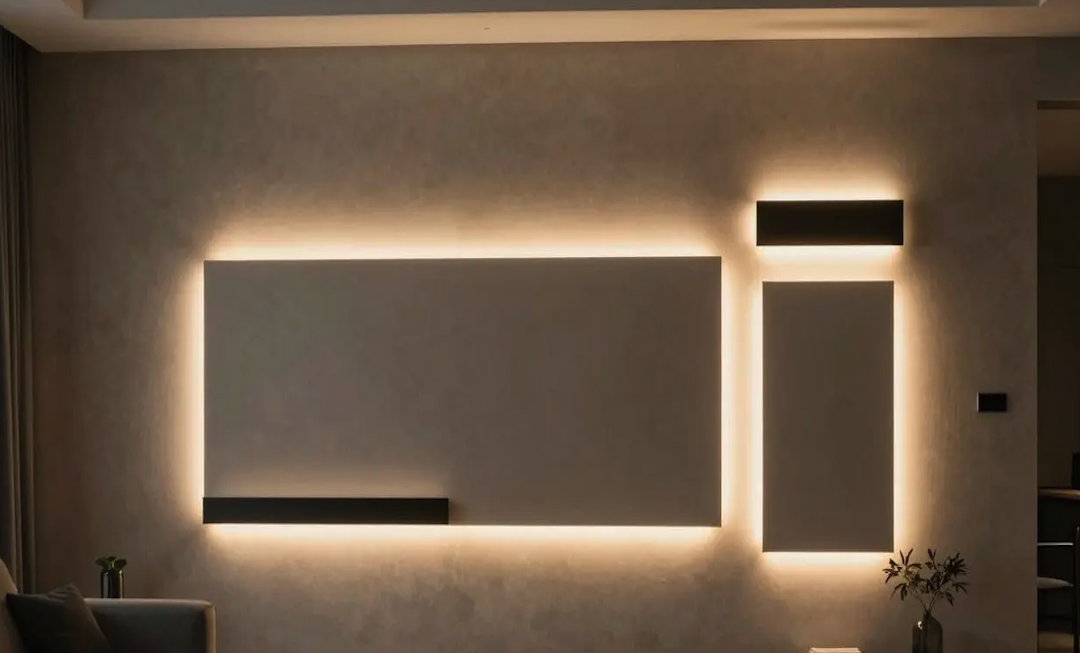
- Bidirectional Lighting: Many designs incorporate both up and down-lighting from a single fixture. This dual emission can create a dramatic wall-grazing effect, highlighting the texture of the wall surface while providing both ambient and accent illumination. The interplay of light and shadow generated by such a lamp can be a key design feature in itself.
Ambient vs. Accent Lighting
Minimalist concrete wall lamps can serve both ambient and accent lighting roles.
- Ambient Lighting: When used with indirect light sources (up-lighting) or diffused light, they contribute to the overall illumination of a room, providing general brightness without creating harsh shadows.
- Accent Lighting: With more focused light beams or directional down-lighting, they can draw attention to specific features, textures, or objects, creating focal points within a space. Their robust form also makes them accent pieces even when turned off.
Architectural Integration
These lamps are designed to integrate seamlessly with the architecture of a space, rather than merely accessorizing it. Their robust forms and natural material texture can complement existing concrete elements, wood, metal, or even contrasting smoother surfaces. In contemporary or industrial-style interiors, they reinforce the aesthetic. In more traditional settings, they can introduce a modern tension, creating a dialogue between old and new. They are not merely objects in the space, but objects that actively engage with the space.
Installation and Maintenance
Proper installation and consideration for maintenance contribute to the longevity and effective functioning of a minimalist concrete wall lamp.
Mounting and Wiring
Most concrete wall lamps are designed for surface mounting, meaning they attach directly to the wall. This typically involves a metal mounting bracket secured to a standard electrical junction box, with the lamp body then affixed to this bracket. Given the weight of concrete, secure fastening to wall studs or appropriate anchor points is crucial. Electrical wiring is usually concealed within the lamp’s body and connected to the building’s mains supply. Professional installation is often recommended to ensure both safety and aesthetic alignment.
Lamp Types and Efficacy
Modern minimalist concrete lamps typically utilize LED (Light Emitting Diode) technology. LEDs offer several advantages:
- Energy Efficiency: They consume significantly less power than incandescent or halogen bulbs.
- Longevity: LEDs have a much longer lifespan, reducing the frequency of bulb replacement.
- Compact Size: Their small size allows for more compact and creative lamp designs, fitting within the often confined spaces of minimalist fixtures.
- Dimmability: Many LED light sources are dimmable, allowing for adjustable light levels and mood creation.
Designers often incorporate integrated LED modules, making the light source an intrinsic part of the lamp’s structure, eliminating the need for replaceable bulbs in some instances.
Durability and Care
Concrete is a highly durable material, making these lamps robust and long-lasting. They are resistant to scratches, dents, and minor impacts, though sharp blows can cause chipping. Maintenance is minimal; regular dusting with a soft, dry cloth is usually sufficient. For minor spills or marks, a damp cloth with a mild, non-abrasive cleaner can be used, followed by drying. It is important to avoid harsh chemicals or abrasive materials that could damage the concrete surface, especially if it has been sealed or treated. Over time, concrete may develop a subtle patina, adding to its character.
Conclusion
The minimalist concrete wall lamp, a brutalist lighting solution, embodies a design philosophy that prioritizes material honesty, functional clarity, and geometric simplicity. It is an artifact where the material itself speaks, revealing its inherent forms and textures without embellishment. Embracing the robust and unrefined nature of concrete, these lamps do not merely illuminate a space; they contribute to its architectural identity, offering a statement of permanence and integrity in an increasingly complex world. For those who appreciate design that is both understated and impactful, direct and unpretentious, the minimalist concrete wall lamp offers a compelling choice, standing as a quiet testament to the enduring power of raw form and elemental materials.