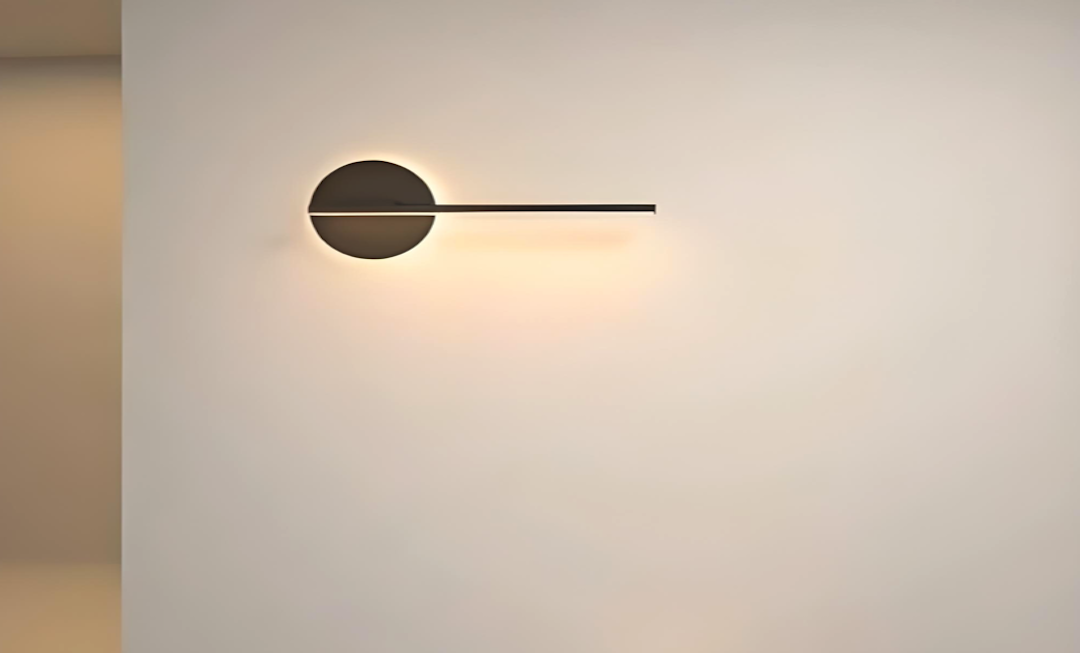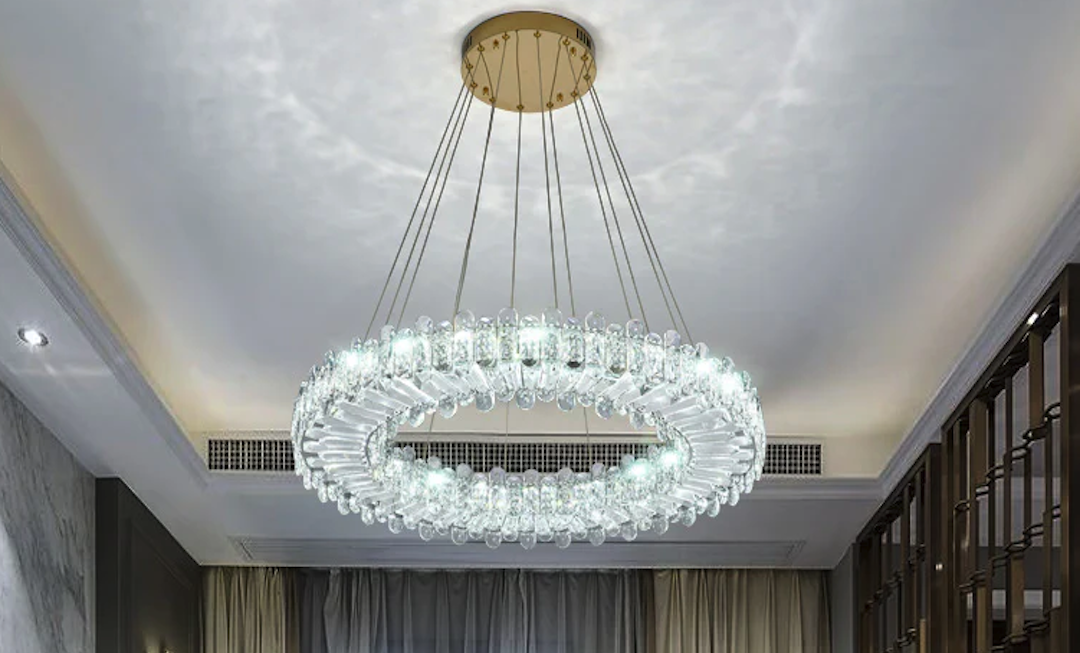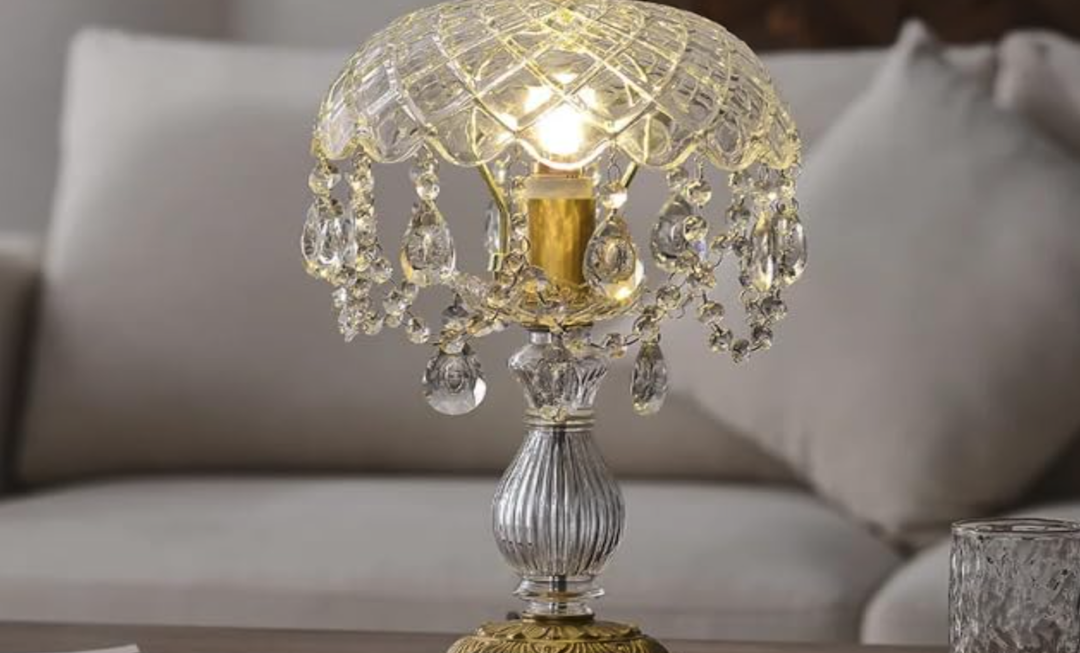
Slim profile LED wall lights represent a category of lighting fixtures designed for wall mounting, characterized by their minimalist design and the use of Light Emitting Diode (LED) technology. These fixtures aim to provide illumination and aesthetic enhancement to interior and exterior spaces while occupying minimal visual and physical volume. The emphasis on a “slim profile” signifies a design approach that prioritizes a low protrusion from the wall surface, contributing to a cleaner and less obtrusive visual appearance.
The integration of LED technology within these slim profile fixtures is a key factor in their functionality and appeal. LEDs are semiconductor devices that emit light when an electric current passes through them. This technology offers several advantages over traditional incandescent and fluorescent lighting, including greater energy efficiency, longer lifespan, reduced heat output, and greater design flexibility due to their small size.
Design and Aesthetics
The primary differentiator of slim profile LED wall lights lies in their design philosophy, which prioritizes subtlety and integration with the surrounding architecture. The slimness is not merely a superficial characteristic but a fundamental aspect of their intended application, allowing them to blend seamlessly into various environments.
Minimalist Form Factor
The defining characteristic of a slim profile LED wall light is its reduced depth. Unlike bulkier fixtures that can dominate a wall, these lights are engineered to have a very shallow profile, often measuring only a few centimeters from the wall surface. This design choice is deliberate, aiming to minimize visual clutter and allow the light itself, rather than the fixture, to become the focal point. This approach aligns with contemporary interior design trends that favor clean lines and uncluttered spaces. Think of them as whispers of light rather than shouts.
Material Selection and Finishes
The materials used in the construction of slim profile LED wall lights contribute significantly to their aesthetic and durability. Common materials include aluminum, steel, and various plastics. Aluminum is frequently chosen for its lightweight properties, corrosion resistance, and ease of extrusion into the desired slim profiles. Steel offers greater strength and durability, particularly for outdoor applications. High-quality plastics can also be used, particularly for diffuser components, to ensure even light distribution and prevent glare.
Finishes play a crucial role in ensuring these lights complement the architectural style of a space. Standard finishes include brushed nickel, polished chrome, matte black, and white. These options allow the fixtures to either recede into the background, matching wall colors, or to act as a deliberate design element, providing contrast. For instance, a matte black fixture on a white wall can serve as a graphic element, while a brushed nickel finish might aim for a more understated elegance.
Light Distribution and Diffusion
The manner in which light is distributed and diffused is critical to the user experience and the overall impact of the fixture. Slim profile designs often present challenges in terms of accommodating larger light sources or intricate optical systems. Therefore, careful engineering is employed to direct and soften the LED output.
Direct vs. Indirect Illumination
Slim profile wall lights can be designed to provide direct illumination, where the light is emitted downwards or upwards from the fixture, or indirect illumination, where the light is cast onto the wall or ceiling and then reflected back into the room. Many designs incorporate elements of both, creating uplighting and downlighting effects simultaneously, which can provide a soft, ambient glow. This layered approach to lighting can add depth and sophistication to a room.
Diffuser Technology
To prevent harsh glare and create a uniform light output, diffusers are incorporated. These are typically made of opaque or frosted plastic or glass. The diffuser softens the direct light from the individual LEDs, spreading it across the surface of the fixture and creating a more visually pleasing and comfortable light. The quality and design of the diffuser significantly impact the perceived quality of the light. A well-designed diffuser can make the light appear as if it’s emanating from the fixture itself, rather than from discrete LED points.
Technical Specifications and Performance
Beyond their visual appeal, slim profile LED wall lights are defined by their technical capabilities, which dictate their performance and suitability for various applications. The efficiency and longevity associated with LED technology are central to these specifications.
Lumen Output and Color Temperature
The lumen output of a light fixture indicates its brightness, and for wall lights, this is typically measured in lumens per fixture. The required lumen output will vary depending on the intended function – whether it’s for accent lighting, task lighting, or general ambient illumination. Slim profile designs may have limitations in the total number of LEDs or the power they can dissipate, influencing the maximum lumen output achievable without compromising the slim form.
Color temperature, measured in Kelvin (K), describes the hue of the light. Warm white (around 2700K-3000K) is often favored for residential interiors, creating a cozy and inviting atmosphere. Neutral white (around 3500K-4000K) is suitable for task areas or commercial settings where clarity is important. Cool white (above 4000K) can provide a more energizing light, often used in garages or contemporary commercial spaces. The ability to select different color temperatures allows for tailoring the light to the mood and function of the space.
Energy Efficiency and Lifespan
LED technology is renowned for its energy efficiency compared to older lighting technologies. Slim profile LED wall lights leverage this advantage, consuming significantly less power for a given light output. This translates to lower electricity bills and a reduced environmental footprint. The lifespan of LED chips is also a major benefit, often rated for tens of thousands of hours. This means that once installed, these fixtures require minimal maintenance and replacement, reducing ongoing costs and inconvenience. This longevity makes them a sustainable lighting solution, akin to planting a tree that bears fruit for years.
Beam Angle and Light Directionality
The beam angle of a light fixture refers to the spread of its light. Wall lights can have narrow beam angles for focused accent lighting, highlighting specific features like artwork, or wider beam angles for more general illumination. The precise directionality of the light can also be controlled. Some slim profile fixtures are designed to emit light in a specific direction (e.g., downward for pathway illumination), while others offer adjustable heads or wider, more diffused outputs. Understanding the beam angle is crucial for achieving the desired lighting effect and avoiding light spill into unwanted areas.
Dimming Capabilities and Controls
Many slim profile LED wall lights are designed to be dimmable, allowing for dynamic control over brightness and atmosphere. Dimmability can be achieved through various control systems, including standard wall dimmers, smart home integration (e.g., via Wi-Fi or Bluetooth), or even motion sensors. The integration of smart controls offers advanced functionality, enabling users to schedule lighting, create custom scenes, and control lights remotely. This level of control transforms lighting from a static element into a responsive feature of the space.
Applications and Versatility
The inherent qualities of slim profile LED wall lights lend themselves to a broad spectrum of applications, both indoors and outdoors. Their unobtrusive design, combined with the effectiveness of LED illumination, makes them a flexible choice for various scenarios.
Residential Interiors
In homes, these fixtures are commonly used in living rooms, hallways, bedrooms, and dining areas. They can provide ambient lighting, accentuating architectural features like textured walls or artwork, or serve as task lighting in reading nooks or beside beds. Their slimness means they do not intrude on living space and can be particularly beneficial in smaller rooms where a sense of openness is desired. Imagine them as subtle brushstrokes adding definition to the canvas of your walls.
Hallways and Staircases
Illuminating hallways and staircases is a critical safety and aesthetic consideration. Slim profile wall lights, placed at intervals along a corridor or staircase, can provide a continuous, low-level light that guides movement without being overly bright. Their unobtrusive nature ensures they do not create hazards for taller individuals.
Accent Lighting for Artwork and Decor
For individuals who wish to showcase artwork, photographs, or decorative objects, slim profile LED wall lights are an excellent choice. Their focused beams can precisely highlight these elements, drawing attention to them without overwhelming the surrounding space. The ability to choose adjustable fixtures further enhances their utility in this regard.
Commercial and Hospitality Spaces
In commercial environments, such as offices, retail stores, and hotels, slim profile LED wall lights contribute to both the functionality and the brand aesthetic. They can be used for wayfinding, to highlight product displays, or to create a specific mood in public areas.
Retail Display Illumination
In retail settings, effective lighting is paramount for attracting customers and showcasing merchandise. Slim profile wall lights can be strategically placed to illuminate product shelves, mannequins, or creating dramatic effects that draw attention to key items.
Hotel Corridors and Lobbies
Hotels often employ lighting to create a welcoming and luxurious atmosphere. Slim profile wall lights can provide subtle, elegant illumination in corridors, enhancing the sense of arrival and guiding guests to their rooms. In lobbies, they can contribute to the overall ambiance, complementing larger decorative lighting elements.
Exterior Applications
The durability and energy efficiency of LEDs make slim profile wall lights suitable for outdoor use, provided they are designed with appropriate weather resistance.
Pathway and Garden Lighting
When installed along outdoor pathways, decks, or garden borders, these lights enhance safety and create an inviting ambiance after dark. Their low profile ensures they are not a tripping hazard and do not detract from the natural beauty of the landscape.
Architectural Feature Uplighting and Downlighting
For homes and buildings, slim profile exterior wall lights can be used to highlight architectural details, such as stone facades, columns, or entryways. Uplighting can emphasize the texture and form of a building, while downlighting can create dramatic shadows and illuminate immediate surroundings.
Installation and Maintenance
The installation and maintenance requirements of slim profile LED wall lights are often simplified due to their modern design and the inherent reliability of LED technology.
Wiring and Mounting Considerations
Installation typically involves connecting the fixture to the mains electrical supply. The slim profile design often necessitates careful consideration of wall depth and the available space for wiring. Many fixtures are designed for surface mounting, requiring only a small junction box for the electrical connections. For recessed installations, more complex structural work might be necessary. The mounting hardware is usually provided with the fixture and is designed for straightforward attachment to the wall.
Powering and Connectivity Options
Slim profile LED wall lights can be powered directly from the mains electricity. For smart versions, they may also require a connection to a home network for wireless control and integration. Power sources can include standard AC power outlets, or in some outdoor applications, they might be integrated with low-voltage systems that require a transformer. The specific wiring diagram and power requirements are typically detailed in the manufacturer’s instructions.
Longevity and Replacement
As mentioned previously, LED technology offers a significantly longer lifespan than traditional lighting. This greatly reduces the frequency of bulb replacements, which is a key advantage for both convenience and cost savings. When an LED chip or driver eventually fails, it usually requires the replacement of the entire fixture, as the LED components are often integrated and not user-replaceable. However, due to their extended lifespan, this is an infrequent event.
Environmental and Economic Factors
The adoption of slim profile LED wall lights is influenced by both their environmental benefits and their economic advantages, particularly over their operational lifespan.
Energy Savings and Carbon Footprint
The primary environmental benefit of LED lighting is its reduced energy consumption. By using less electricity, these fixtures contribute to a lower carbon footprint for households and businesses. This is a significant factor in the global push towards more sustainable energy practices. Imagine a fleet of cars that uses a fraction of the fuel – that’s the impact of efficient lighting.
Cost-Effectiveness Over Time
While the initial purchase price of LED fixtures might sometimes be higher than that of their incandescent or fluorescent counterparts, the long-term cost savings are substantial. The reduced energy consumption directly lowers electricity bills, and the extended lifespan means fewer replacement purchases and associated labor costs. This makes them a financially sound investment for most applications.
Contribution to Green Building Standards
In the realm of architecture and construction, the use of energy-efficient lighting solutions like slim profile LED wall lights is often a requirement for achieving green building certifications. These certifications, such as LEED, recognize buildings that incorporate sustainable design and operational practices, making these fixtures a common component in environmentally conscious construction projects.
Future Trends and Innovations
The field of lighting technology is constantly evolving, and slim profile LED wall lights are likely to see further advancements in the future.
Smart Lighting Integration and AI
The trend towards smart homes continues to grow, and lighting is a key component of this ecosystem. Future slim profile LED wall lights will likely feature even more sophisticated smart functionalities, including advanced AI-driven lighting controls that can learn user preferences and adjust lighting automatically based on occupancy, time of day, and ambient light conditions.
Enhanced Luminaire Efficiency and Light Quality
Manufacturers are continuously working to improve the efficiency of LED chips, meaning more lumens produced per watt of energy consumed. This will lead to even brighter lights with even lower energy usage. Furthermore, advancements in phosphor coatings and LED packaging are expected to further enhance the color rendering capabilities of LEDs, providing light that is closer to natural daylight and more pleasing to the human eye.
Biodegradable and Recyclable Materials
As environmental consciousness increases, there will likely be a greater focus on the use of sustainable and recyclable materials in the manufacturing of lighting fixtures. This could include the development of biodegradable plastics or increased use of recycled aluminum and steel, further reducing the environmental impact associated with the production and disposal of these products.
In conclusion, slim profile LED wall lights offer a blend of aesthetic subtlety, functional performance, and economic and environmental advantages. Their design prioritizes a minimalist presence, allowing them to integrate seamlessly into diverse architectural styles and serve multiple lighting purposes. The inherent efficiency and longevity of LED technology ensure that these fixtures are not only an attractive design choice but also a sustainable and cost-effective lighting solution for a wide range of residential, commercial, and exterior applications.