Wall sconces are a fantastic way to add both style and functionality to your home. Think of them as jewelry for your walls, providing ambient light, guiding your path, or highlighting specific features without taking up precious floor or table space. They’re incredibly versatile, working in almost any room and with nearly any decor.
Understanding the Basics of Wall Sconce Lighting
Wall sconces are fixtures that mount directly onto the wall, typically projecting outwards. They come in a huge variety of designs, from sleek and modern to rustic and ornate, meaning there’s a style out there to complement any aesthetic.
What Makes a Sconce “Stylish”?
Style in wall sconces isn’t just about looks; it’s about how they integrate with your overall design. A stylish sconce enhances the mood of a room, adds visual interest, and complements existing furniture and decor. It’s about thoughtful design that serves a purpose.
Material Matters
The materials used in a sconce significantly influence its style. Metal finishes like brushed nickel, matte black, polished brass, or oil-rubbed bronze can lean modern, traditional, or industrial depending on the overall shape and texture. Wood accents can lend a warmer, more natural feel, while glass shades—whether frosted, clear, seeded, or art glass—play a crucial role in diffusing light and adding visual texture.
Form Follows Function (and Style)
The shape and silhouette of a sconce are paramount. Think about whether you want something minimalist and geometric, or perhaps something more sculptural and dramatic. A simple cylinder might be perfect for a contemporary hallway, while an arm sconce with a fabric shade could suit a more traditional bedroom.
Where to Place Wall Sconces for Maximum Impact
The beauty of wall sconces lies in their adaptability. They can be used for a multitude of purposes in various locations.
Enhancing Hallways and Entryways
Hallways are often overlooked spaces, but good lighting can transform them into welcoming and functional areas. Sconces are ideal here because they don’t obstruct foot traffic.
Creating a Warm Welcome
Placing sconces on either side of an entryway door, both inside and out, provides a warm and inviting glow as guests arrive. This also offers practical illumination for fumbling with keys.
Guiding Light in Corridors
Long hallways can feel a bit like an endless tunnel. Strategically placed sconces at regular intervals break up the monotony, add visual rhythm, and ensure safe passage, especially at night. Consider placing them at eye level for a comfortable light distribution.
Illuminating Living Rooms and Lounges
Living rooms are central hubs for relaxation and entertaining, and sconces can play a key role in setting the right ambiance.
Ambient and Accent Lighting Fusion
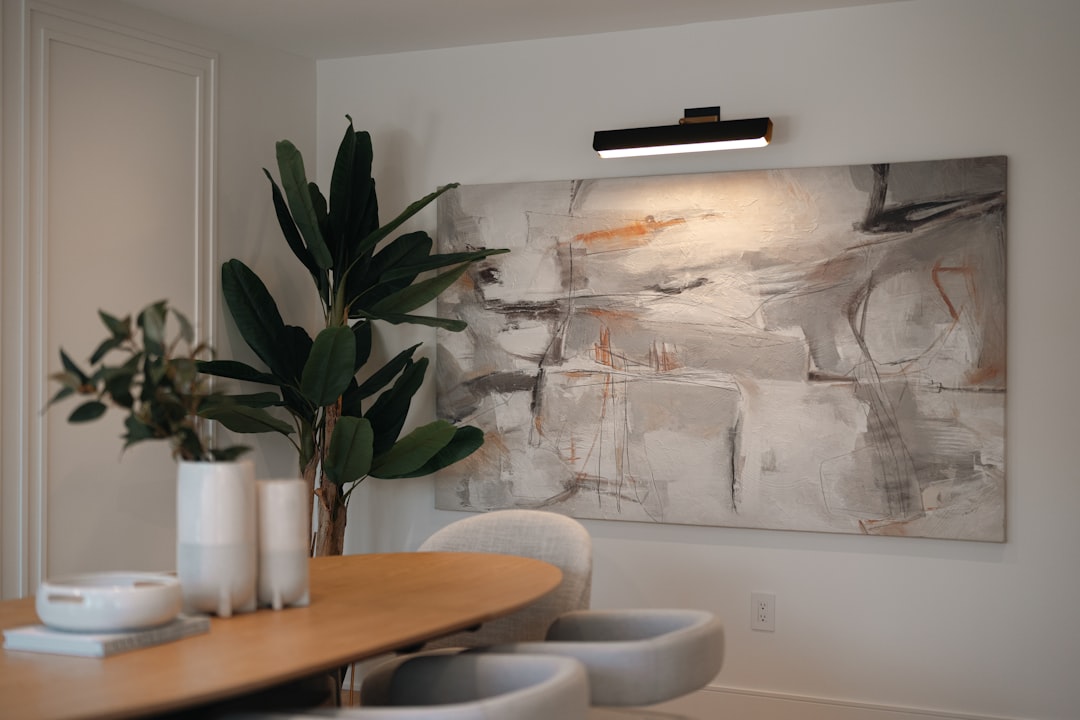
Sconces can provide soft, diffused ambient light that fills the room without the harshness of overhead fixtures. They can also be used to highlight artwork or architectural features, acting as accent lights.
Layering Light for Versatility
Combining sconces with other light sources, like floor lamps or table lamps, allows you to create different lighting layers. This means you can adjust the mood of the room based on the occasion—brighter for reading, dimmer for movie nights.
Adding Sophistication to Bedrooms
Bedrooms are sanctuaries, and sconces can contribute to a serene and functional environment.
Bedside Brilliance
Replacing traditional table lamps with wall-mounted sconces by the bedside frees up valuable nightstand space. This is particularly useful in smaller bedrooms. Opt for sconces with adjustable arms or shades for directed reading light.
Ambiance and Task Lighting
Beyond the bedside, sconces can cast a soft glow in corners, creating a cozy reading nook, or provide gentle illumination along a dresser or vanity area.
Choosing the Right Style for Your Decor
The vast array of wall sconce designs means you can find something to suit almost any interior design theme.
Modern and Minimalist Aesthetics
For homes with clean lines, a neutral color palette, and uncluttered spaces, modern sconces are a natural fit.
Geometric and Linear Designs
Look for sconces with simple geometric shapes like cubes, cylinders, or clean rectangular forms. Matte black, brushed nickel, and chrome finishes often work well. Integrated LED lights can offer a seamless, futuristic look.
Frosted or Opal Glass
Sconces with frosted or opal glass shades tend to diffuse light softly, contributing to a minimalist ambiance. The focus is on the clean lines of the fixture and the quality of the light.
Traditional and Classic Interiors
Traditional decor often features richer colors, ornate details, and more classic furniture. Sconces can echo these elements.
Arm Sconces with Fabric Shades
These are a classic choice. The extended arm allows the light to project further, and the fabric shade provides a warm, diffused glow. Finishes like antique brass or oil-rubbed bronze are common.
Crystal or Decorative Glass Accents
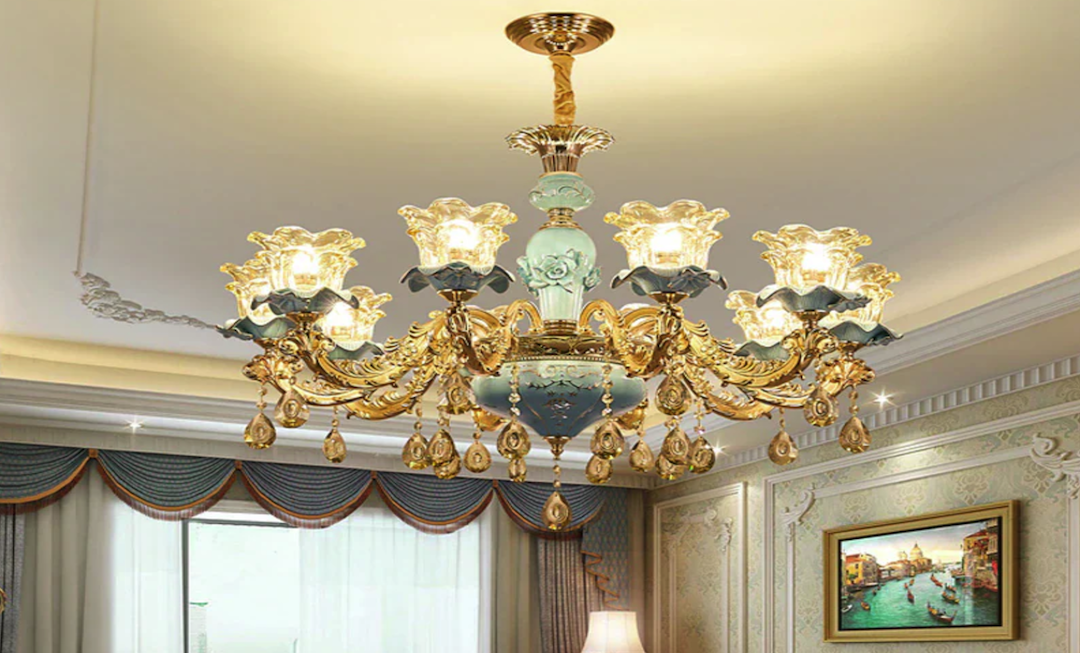
For a touch of opulence, sconces with crystal elements or intricately detailed glass shades can add a traditional flair. These can be particularly effective in dining rooms or formal living spaces.
Industrial and Rustic Charm
These styles embrace raw materials, exposed elements, and a sense of history or handcrafted quality.
Metal Finishes and Exposed Bulbs
Sconces made from materials like raw steel, iron, or distressed metal are perfect for industrial or rustic settings. Designs that feature exposed Edison bulbs or cage-like shades enhance this look.
Wood and Leather Accents
Incorporating elements of wood or even leather into a sconce design can add a warm, organic touch that complements rustic decor. Think about reclaimed wood or dark leather straps.
Functional Considerations for Wall Sconce Installation
Beyond aesthetics, think about how the sconces will function in your space and the practicalities of installation.
Light Direction and Intensity
The way a sconce directs light has a significant impact on its function and the mood it creates.
Up-lighting vs. Down-lighting
Up-lighting sconces cast light towards the ceiling, creating a sense of spaciousness and providing indirect ambient light. Down-lighting sconces send light downwards, often used to illuminate a specific area like a desk or a piece of artwork. Many sconces offer a combination of both.
Dimmer Compatibility
For maximum flexibility, choose sconces that are compatible with dimmer switches. This allows you to adjust the light intensity to suit different activities and times of day, making them more versatile.
Power Sources and Wiring
How your sconces are powered is a key installation consideration.
Hardwired vs. Plug-in
Hardwired sconces connect directly to your home’s electrical system. This offers a cleaner look as no wires are visible, but requires professional installation or electrical knowledge. Plug-in sconces are easier to install as they simply plug into a nearby outlet. They are a great option for renters or for adding lighting to areas where hardwiring isn’t feasible.
Integrated LED vs. Bulb Replacement
Many modern sconces feature integrated LED lighting. This can be more energy-efficient and offers a sleeker design, but the light source cannot be replaced. Traditional sconces use standard bulbs, which are easy to replace but may require more frequent changing.
Beyond the Main Room: Sconces Everywhere
Don’t limit yourself to the primary living areas. Sconces can bring style and utility to often-forgotten corners.
Bathrooms and Vanity Areas
Sconces are essential for good task lighting in bathrooms, especially around the mirror.
Avoiding Shadows at the Vanity
Ideally, you want light sources on either side of the mirror at face height to illuminate your reflection evenly, minimizing shadows. This is crucial for grooming and applying makeup.
Moisture Resistance
When choosing bathroom sconces, ensure they are rated for bathroom use, meaning they have some level of moisture resistance to protect against steam and humidity.
Staircases and Creative Corners
Stairs and oddly shaped nooks can benefit greatly from well-placed sconces.
Staircase Safety and Style
Sconces on staircases not only enhance safety by illuminating each step but can also add architectural interest to what might otherwise be a plain wall. Place them at a height that’s visually appealing and provides adequate light without being blinding.
Highlighting Architectural Features
Use sconces to draw attention to interesting architectural details like exposed brickwork, textured plaster, or decorative moldings. They can also light up alcoves or recesses, turning them into decorative features rather than dead space.