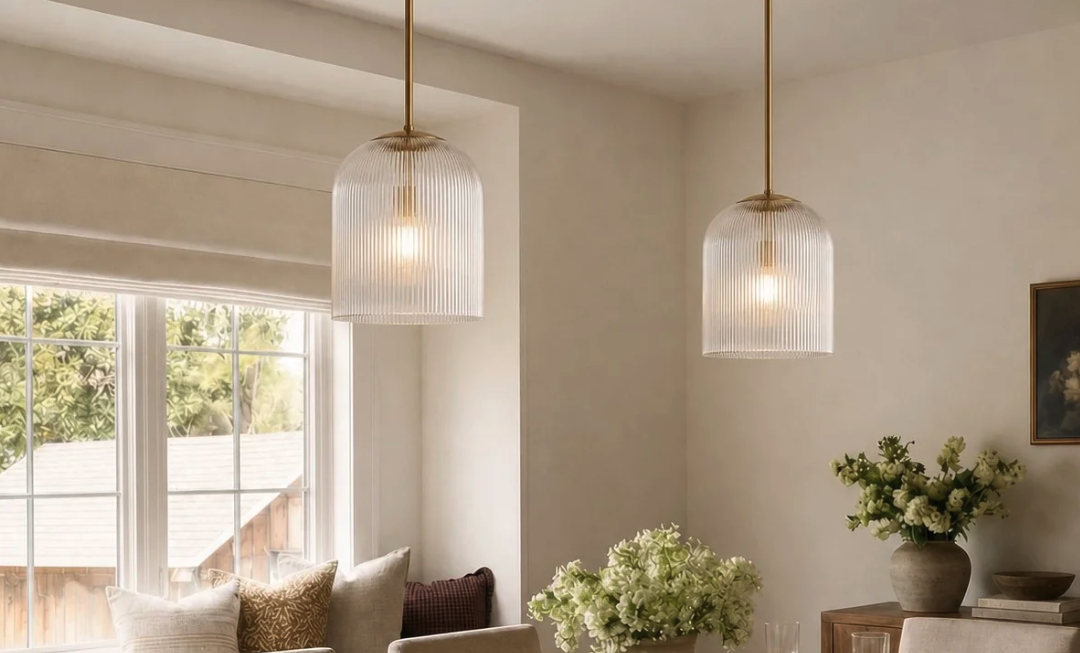
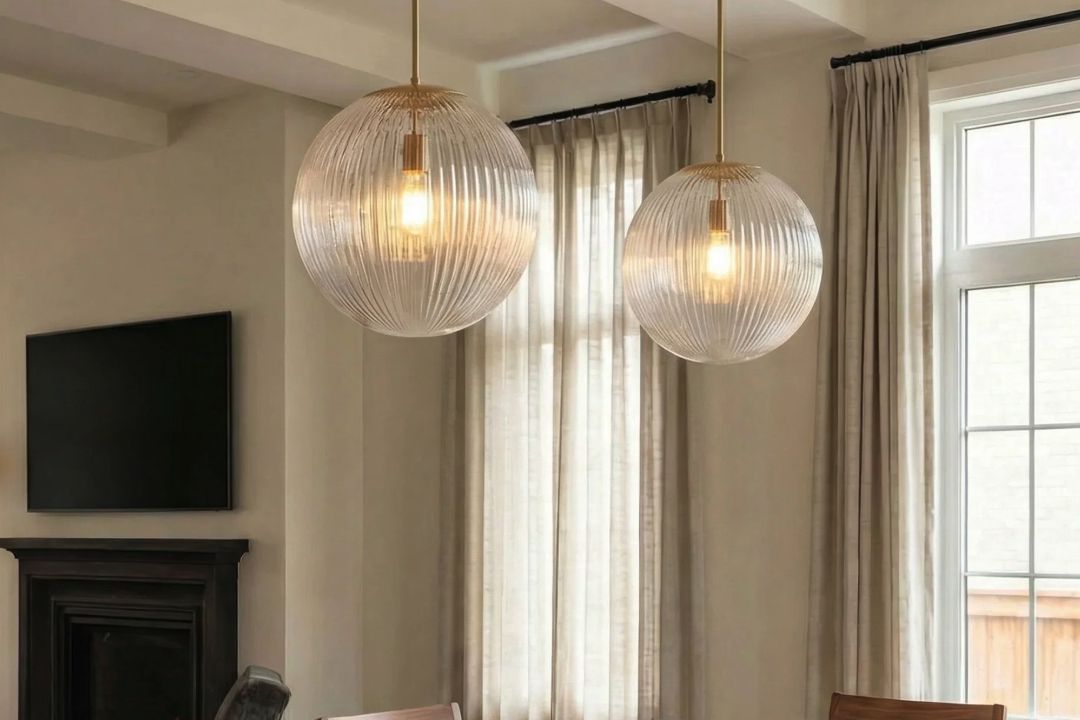
So, you’re wondering about the Opal Globe Ribbed Glass Island Pendant? Simply put, it’s a lighting fixture designed to hang over kitchen islands or similar long surfaces. It combines the soft, diffused light of an opal glass globe with the subtle texture of ribbed glass, offering both functionality and a touch of understated elegance to your space. It’s a popular choice for those looking for a blend of modern and classic aesthetics, and it provides excellent task lighting while also contributing to the overall ambiance.
When it comes to lighting Mosundesign a kitchen island, a pendant light isn’t just a decorative choice; it’s often the most practical one. Unlike a single ceiling fixture, pendants can provide more focused illumination right where you need it – for chopping veggies, reading recipes, or even just chatting over a cup of coffee.
Task Lighting Excellence
Think about what you do at your island. It’s a workspace, a dining spot, and often a social hub. A well-placed pendant delivers direct light without casting shadows, making tasks easier and safer. This focused illumination is crucial for activities like food preparation where precision matters.
Ambiance and Mood Setting
Beyond just lighting up the work surface, pendants play a huge role in creating the mood of your kitchen. The soft glow from an opal glass globe, especially with the subtle diffusion of ribbed glass, can transform a sterile-looking kitchen into a warm and inviting space. It can soften harsh lines and create a more relaxed atmosphere than bright, overhead flush mounts.
Defining the Space
Architecturally, pendants help define the island as a distinct zone within an open-plan kitchen. They draw the eye, establishing a visual boundary without needing walls. This is particularly useful in larger, open-concept homes where different areas can sometimes blend together without clear delineation.
The Allure of Opal Globe Ribbed Glass
There’s something inherently appealing about opal glass, and when you add ribbing, it elevates the aesthetic even further. It’s a combination that offers both visual interest and practical benefits.
The Soft Glow of Opal Glass
Opal glass is known for its ability to diffuse light beautifully. Instead of a harsh, direct beam, you get a soft, even glow that’s easy on the eyes. This is perfect for an area like a kitchen island where you might be looking at the light source for extended periods. It reduces glare and creates a more comfortable environment.
- Glare Reduction: The opaque nature of opal glass scatters light, preventing direct glare that can be uncomfortable or even blinding.
- Even Illumination: It ensures the light is distributed broadly and smoothly, avoiding hot spots or stark shadows.
- Warmth and Comfort: The diffused light often feels warmer and more inviting than clear glass, contributing to a cozy atmosphere.
The Subtle Texture of Ribbing
The ribbing isn’t just for show. It adds a layer of visual interest and plays with the light in subtle ways, giving the pendant more character than a plain globe.
- Visual Depth: The ridges and valleys of the ribbing create a fascinating play of light and shadow on the glass itself, making the fixture feel more dynamic.
- Artistic Touch: It introduces a subtle, handcrafted feel, moving away from overly sleek or minimalist designs. This can be especially appealing if you’re trying to inject some character into a modern space.
- Enhanced Light Dispersion: While opal glass already diffuses light, the ribbing can further break up the light slightly, adding to the gentle, scattered effect and making the glow even more enchanting.
Blending Styles
The combination of opal and ribbed glass allows this pendant to straddle various design aesthetics. It’s not strictly modern, nor is it overtly traditional.
- Modern Farmhouse: The warmth of the opal and the slightly rustic feel of the ribbing fit perfectly.
- Mid-Century Modern: Its classic globe shape and clean lines resonate with this era’s design principles.
- Contemporary with a Twist: It adds a touch of softness and texture to otherwise sleek, modern spaces.
- Transitional: It’s an excellent choice for homes that blend classic and contemporary elements, providing a bridge between different styles.
Key Considerations Before Buying
Before you get too excited and click “add to cart,” there are a few practical aspects to think about. Getting these right will ensure you’re happy with your purchase in the long run.
Sizing and Scale
This is probably the most crucial aspect. A pendant that’s too small will look lost, and one that’s too large will overwhelm your island.
- Island Length: A good rule of thumb is to have your pendants cover about two-thirds to three-quarters of your island’s length.
- Number of Pendants: For smaller islands (4-5 feet), one larger pendant might suffice. For medium islands (6-7 feet), two are usually ideal. For longer islands (8+ feet), you’re likely looking at three or more.
- Pendant Diameter: Consider the overall width of your island. You don’t want the pendants to feel cramped or to obstruct your view across the island. Leave enough space between each pendant and from the edges of the island.
- Visual Balance: Step back and visualize how many pendants will look good. Sometimes fewer, larger pendants are better than many small ones.
Hanging Height
The height at which you hang your pendants is critical for both function and aesthetics.
- Standard Guideline: Generally, the bottom of the pendant should be about 30-36 inches (76-91 cm) above the island surface. This allows for clear sightlines and prevents people from bumping their heads, while still providing effective task lighting.
- Personal Preference: Taller individuals might prefer them slightly higher, while shorter individuals might prefer them a bit lower. Test it out if possible, using a mock-up or holding the light fixture up.
- Ceiling Height: If you have exceptionally high ceilings, you might need to adjust slightly higher, but always prioritize the functional height over the island.
Light Output and Bulbs
The type of bulb you use will significantly impact the light quality.
- Bulb Type: Most pendants these days use standard E26 or E12 bases. LED bulbs are highly recommended for their energy efficiency, longevity, and cool operation.
- Color Temperature: For kitchens, a color temperature between 2700K (warm white) and 3500K (neutral white) is generally preferred. 2700K offers a cozy, inviting glow, while 3000-3500K is brighter and more suited for task-oriented environments. Avoid anything too “blue” (over 4000K) as it can feel sterile.
- Dimmability: Always opt for dimmable bulbs and a compatible dimmer switch. This allows you to adjust the light from bright task lighting to a soft, ambient glow, adapting to different activities and moods.
- Wattage (or Lumen Equivalent): Don’t just look at wattage; look at lumens. For task lighting over an island, you’ll want sufficient lumens. A good starting point for a single pendant might be 800-1000 lumens, but this depends on the number of pendants and the overall lighting scheme of your kitchen.
Installation Requirements
Pendant lights typically require hardwiring, meaning they connect directly to your home’s electrical system.
- Professional Installation: If you’re not comfortable with electrical work, it’s always best to hire a licensed electrician. This ensures safety and proper functionality.
- Ceiling Box Location: Make sure your electrical boxes are positioned correctly over the island for even spacing of multiple pendants. This might require some pre-planning during a renovation or new build.
- Adjustable Cords/Rods: Most island pendants come with adjustable cords or rods, allowing you to customize the hanging height. Ensure the mechanism is robust and easy to adjust.
Integrating with Your Kitchen Design
A pendant light isn’t just an isolated fixture; it’s part of a larger design ecosystem. Thinking about how it fits in will elevate your kitchen’s overall look.
Cohesion with Other Fixtures
While your island pendant can be a statement piece, it shouldn’t clash dramatically with other lighting in your kitchen or adjacent open-plan areas.
- Finish Matching: Consider matching the metal finish (e.g., matte black, brushed brass, polished nickel) of your pendant to other hardware in your kitchen, like cabinet pulls or faucets. This creates a cohesive and polished look.
- Style Consistency: The style of the pendant should generally align with the overall aesthetic of your kitchen. An ultra-modern, geometric pendant might look out of place in a rustic farmhouse kitchen, and vice-versa.
- Layered Lighting: Remember that your island pendant is usually part of a layered lighting scheme (ambient, task, accent). Ensure it works in harmony with recessed lighting, under-cabinet lighting, and any other fixtures you have.
Complementing Cabinetry and Countertops
The materials and colors of your kitchen can influence how the pendant appears.
- Dark Cabinets/Countertops: In a kitchen with darker elements, an opal globe pendant can provide a welcome contrast, brightening the space and preventing it from feeling too heavy.
- Light Cabinets/Countertops: Against lighter backgrounds, the pendant can stand out as a subtle focal point, adding visual interest without overpowering the clean aesthetic. The texture of the ribbed glass becomes more apparent.
- Reflective Surfaces: If you have polished countertops or glossy tiles, the soft, diffused light from the opal glass will prevent harsh reflections and glares.
A Nod to Timelessness
One of the great things about the opal globe ribbed glass pendant is its timeless appeal. It’s not a fleeting trend, which means you’re investing in a piece that will look good for years to come.
- Classic Shape: The globe is a classic, enduring form in lighting design.
- Subtle Details: The ribbing adds just enough detail to make it interesting without making it overly ornate or tied to a specific short-lived trend.
- Versatile Material: Opal glass has been used for centuries and continues to be a popular choice for its beautiful light diffusion.
Maintenance and Care
Like any glass fixture, your opal globe ribbed glass pendant will benefit from a little TLC to keep it looking its best.
Regular Dusting
Glass can attract dust, which can diminish its shine and light output.
- Soft Cloth: A simple, dry microfiber cloth is usually sufficient for regular dusting.
- Frequency: Aim to dust your pendants weekly or bi-weekly, especially if your kitchen tends to get dusty from cooking.
Deeper Cleaning for Grease and Grime
Kitchens, especially around cooking areas, can accumulate grease and grime on light fixtures.
- Gentle Cleaner: For tougher spots, lightly dampen a microfiber cloth with a gentle glass cleaner or a mild soap and water solution.
- Avoid Abrasives: Never use abrasive cleaners or scouring pads, as they can scratch the glass or damage the finish.
- Dry Thoroughly: Always dry the glass thoroughly with a clean, dry cloth to prevent water spots.
- Turn Off Power: Before cleaning, always ensure the power to the fixture is turned off at the circuit breaker for safety.
Bulb Replacement
While LED bulbs last a long time, eventually they’ll need replacing.
- Matching Bulbs: When replacing, try to use bulbs with the same color temperature and lumen output to maintain consistency in your lighting.
- Handle with Care: Glass globes can be delicate, so handle them carefully when removing or replacing bulbs.
- Gloves (Optional): Using cotton gloves can help prevent fingerprints on the glass during bulb replacement.
In conclusion, the Opal Globe Ribbed Glass Island Pendant offers a compelling blend of practicality and style. It provides excellent task lighting with a beautiful, diffused glow, while its subtle texture and classic form ensure it complements a wide range of kitchen designs. By considering the practical aspects like sizing, height, and light output, and integrating it thoughtfully into your overall decor, you can illuminate your space beautifully and functionally for years to come.