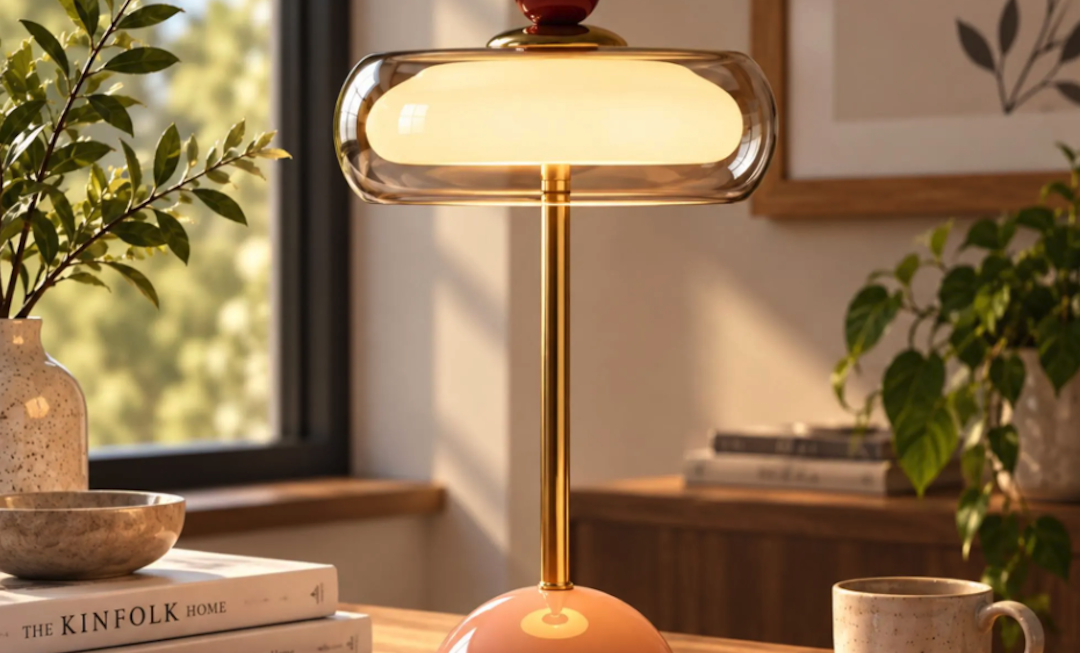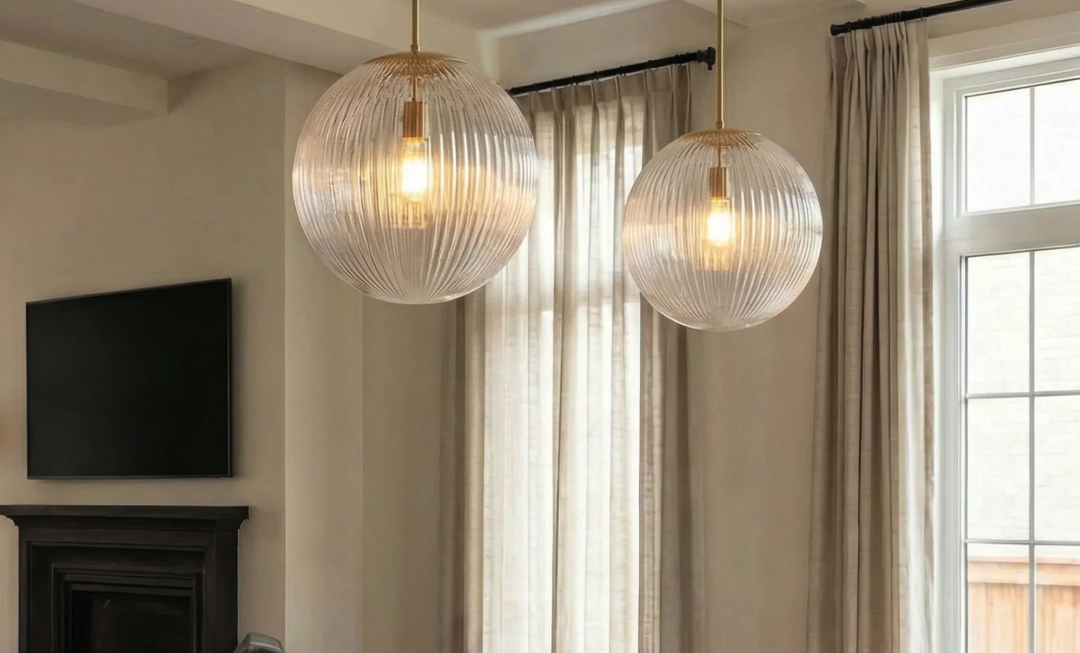
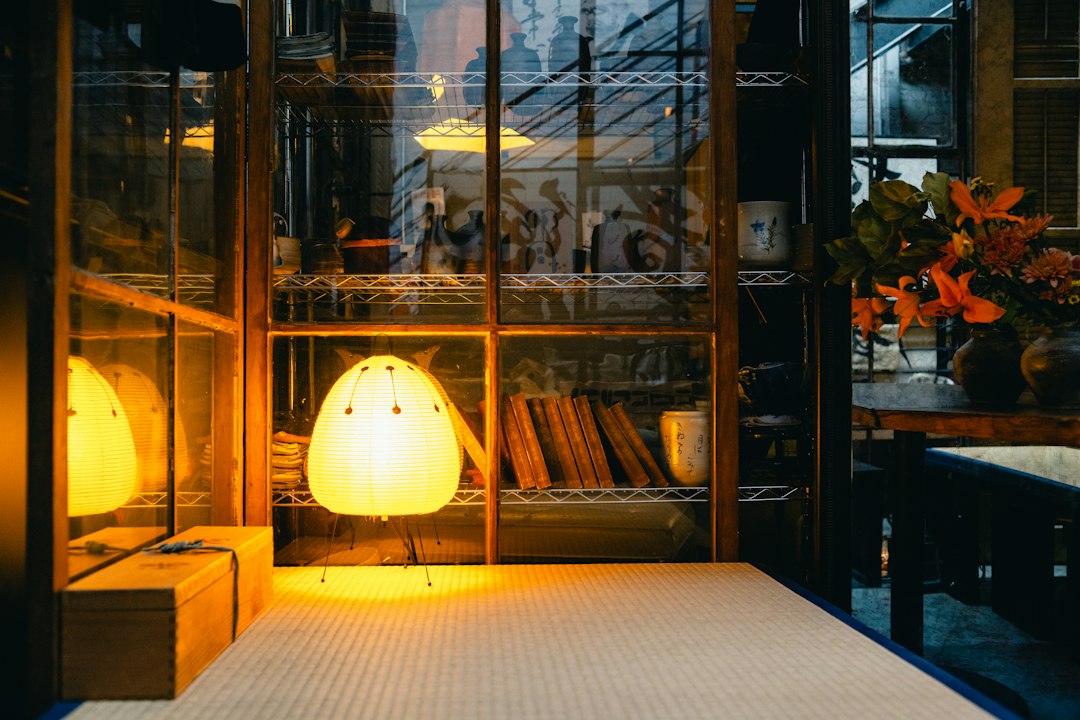
Yes, a “Wabi Sabi Eye Caring Desk Lamp” can absolutely be perfect for your reading nook, provided it meets specific ergonomic lighting criteria that prioritize eye health and comfort, not just aesthetics. The “Wabi Sabi” aspect generally refers to its design philosophy – embracing natural materials, asymmetry, and imperfection, which often translates to warm, diffused light and a calming presence. However, true “eye caring” goes beyond a pleasant appearance; it delves into technical specifications like color temperature, brightness control, flicker reduction, and light distribution, all of which we’ll explore.
Understanding Wabi Sabi in Lighting
The term Wabi Sabi originates from Japanese aesthetics, celebrating the beauty of imperfection, impermanence, and the natural cycle of growth and decay. In the context of a desk lamp, this philosophy often manifests in several ways:
Natural Materials and Textures
Wabi Sabi lamps frequently incorporate materials like unfinished wood, ceramic, linen, rattan, or even subtly aged metals. The idea is to create a connection to nature and a sense of grounding. You won’t typically find highly polished, synthetic, or overly glossy finishes. Instead, expect to see the grain of wood, the slight unevenness of hand-thrown pottery, or the subtle variations in natural fibers. This tactile quality contributes to a calming atmosphere, which is ideal for a reading nook where relaxation is key. The imperfections are not flaws but rather markers of authenticity and uniqueness, giving each lamp a distinct character that mass-produced items often lack. This natural aesthetic often blends seamlessly with various interior styles, from minimalist to bohemian, creating an inviting and serene space.
Organic Shapes and Asymmetry
Rather than perfectly symmetrical or geometric forms, Wabi Sabi lighting often features organic, flowing, or slightly irregular shapes. This asymmetry is intentional, reflecting the natural world where perfect symmetry is rare. Think of a lamp base that looks like a river stone, or a shade with a gentle, undulating curve. This less rigid design can feel more comforting and less imposing than stark, architectural lighting. The absence of sharp angles and highly structured forms can contribute to a more relaxed visual experience, reducing visual “noise” in your reading environment. This design approach seeks to mimic the subtle beauty found in nature, promoting a sense of peace and tranquility within your personal space.
Warm, Diffused Light
While not strictly a Wabi Sabi aesthetic principle, the practical application of Wabi Sabi in lighting design often leans towards softer, warmer, and more diffused light. This aligns with the overall ethos of creating a serene and comfortable environment. Harsh, direct, or intensely bright light typically clashes with the Wabi Sabi preference for understated elegance. The choice of lampshade material, such as frosted glass, linen, or rice paper, plays a crucial role in achieving this diffusion, softening the light and preventing glare. This kind of light is generally less taxing on the eyes over extended periods, making it a good starting point for an eye-caring lamp, though we’ll delve into the technical specifics of eye comfort further.
Essential Eye-Caring Features to Look For
Beyond the Wabi Sabi aesthetic, a truly eye-caring desk lamp needs specific technical attributes. Without these, even the most beautiful lamp can lead to eye strain.
Flicker-Free Illumination
This is perhaps one of the most critical, yet often overlooked, aspects of eye-caring lighting. Many LED lights, especially cheaper ones, can flicker imperceptibly to the naked eye. This rapid on-off cycling, even if you can’t consciously see it, forces your eyes to constantly adjust, leading to fatigue, headaches, and even migraines for some individuals. A high-quality eye-caring lamp will explicitly state “flicker-free” or use advanced drivers that ensure constant, stable light output. Look for lamps with high Power Factor Correction (PFC) values, as this often correlates with reduced flicker. Testing for flicker can be done by using your smartphone camera; if you see bands or waves when pointing it at the light, it’s likely flickering. Investing in a truly flicker-free lamp is one of the best things you can do for your eyes during long reading sessions.
Adjustable Brightness (Dimming)
A reading nook requires flexibility. Sometimes you need bright, focused light for detailed work, and other times a softer glow for casual reading or relaxation. A good eye-caring lamp will offer smooth, stepless dimming, allowing you to fine-tune the brightness to your exact preference and ambient light conditions. Stepless dimming is superior to stepped dimming (e.g., low-medium-high) as it provides more precise control and avoids sudden jumps in light intensity that can be jarring to the eyes. The ability to lower the brightness significantly is also important for nighttime reading, reducing blue light exposure before bed. This adaptability ensures your eyes aren’t strained by either too much or too little light for the task at hand.
Color Temperature Control (CCT)
Color temperature, measured in Kelvin (K), dictates whether the light appears warm (yellowish) or cool (bluish). For a reading nook, a lamp with adjustable color temperature is highly beneficial.
Warm White (2700K – 3000K)
This range mimics incandescent light and is generally considered relaxing and cozy. It’s excellent for unwinding, casual reading, or creating an inviting ambiance, especially in the evenings. Warm light tends to be less stimulating and can help prepare your body for sleep.
Neutral White (3500K – 4500K)
This is a good all-around temperature for general tasks, providing a balanced and comfortable light that’s neither too yellow nor too blue. It’s suitable for most reading activities, offering good contrast without being overly harsh.
Cool White (5000K – 6500K)
While stimulating and good for concentration during the day (e.g., for detailed work or studying), cool white light can suppress melatonin production and disrupt sleep patterns if used in the evenings. It’s generally less ideal for a relaxed reading nook setting, though having the option for daytime tasks can be a bonus. The best eye-caring lamps for a reading nook will allow you to easily switch between these temperatures, letting you optimize the light for both the time of day and your specific activity.
Optimal Light Distribution and Glare Reduction
The way light is spread across your reading material is crucial. An eye-caring lamp should provide uniform illumination over your book or device, avoiding hotspots or dark patches.
Diffused Light
As mentioned with Wabi Sabi, diffusion is key. A good shade material (like linen, frosted glass, or quality plastics) will scatter the light, softening it and preventing harsh shadows or direct glare. Direct exposure to a bare light source, especially a bright LED, can cause discomfort and strain.
Indirect Lighting Options
Some lamps offer the ability to bounce light off a wall or ceiling, creating an even softer, more ambient glow. While not always practical for direct task lighting in a nook, it can complement your primary light source for overall room ambiance.
Anti-Glare Filters
Some advanced lamps incorporate specific anti-glare filters or optical designs that redirect light to minimize direct exposure to the LED chip. This is particularly important for preventing reflected glare from glossy pages or screens. Ensure the lamp’s design prevents the light source from shining directly into your eyes, especially from your usual reading position.
Placement and Ergonomics for Your Reading Nook
Even the best lamp can cause strain if not positioned correctly. Thoughtful placement is just as important as the lamp’s features.
Strategic Positioning
The ideal position for a desk lamp in a reading nook depends slightly on whether you are right-handed or left-handed, and the primary purpose of the light.
For Right-Handed Readers
Place the lamp to your left side. This prevents your hand or arm from casting a shadow over your reading material while you hold a book or make notes. The light should illuminate the page evenly without creating glare.
For Left-Handed Readers
Place the lamp to your right side for the same reason – to avoid shadows cast by your hand. The goal is always to have the light source come from the opposite side of your dominant hand.
Above or Slightly Behind
For broader, more ambient light, some lamps are designed to be placed slightly above and behind your shoulder, casting light forward without shining directly into your eyes. This is less common for dedicated task lamps but can be effective for a more diffused approach.
Height and Angle Adjustment
A truly versatile eye-caring desk lamp will offer significant adjustability.
Adjustable Arm and Head
Look for a lamp with a flexible or articulated arm and a rotating head. This allows you to precisely direct the light exactly where you need it, ensuring your reading material is evenly illuminated. Being able to change the angle prevents light from reflecting directly back into your eyes from glossy surfaces. The freedom to raise or lower the lamp’s height is also crucial for adapting to different seating positions (e.g., sitting upright in a chair versus lounging on a sofa).
Stable Base
An adjustable lamp needs a stable base to prevent tipping, especially if you’re frequently repositioning it. A weighted base or a sturdy clamp mechanism is important for safety and convenience. You want to focus on your reading, not on adjusting a wobbly lamp.
Avoiding Glare from Surfaces
Glare isn’t just about the light shining directly into your eyes; it can also be reflected from shiny surfaces around your nook.
Position Away from Reflective Surfaces
Be mindful of placing your lamp near mirrors, glass tables, framed pictures with glass, or very glossy painted walls. These surfaces can bounce light back, creating secondary sources of glare.
Optimize Surface Finishes
If possible, choose furnishings for your reading nook with matte or low-sheen finishes. A wooden table, a fabric armchair, and matte-finish shelving will absorb light rather than reflect it, contributing to a more comfortable visual environment.
Integrating Wabi Sabi Aesthetics with Eye Care
Now, let’s tie the design philosophy back to practical, healthy lighting. The good news is that Wabi Sabi’s inherent characteristics often complement eye-caring principles.
The Role of Natural Diffusion
Wabi Sabi lamps, by their nature, tend to favor shades made from natural, semi-translucent materials like linen, rice paper, or frosted ceramic. These materials are excellent at diffusing light. Instead of a harsh, direct beam, you get a softer, more even glow. This inherent diffusion is a significant advantage for eye comfort, as it reduces direct glare and harsh shadows, creating a more uniform illumination across your reading material. This aligns perfectly with the need for soft, widespread light that minimizes eye strain. The material itself acts as a natural filter, softening the light before it reaches your eyes.
Embracing Soft, Warm Tones
While Wabi Sabi itself doesn’t dictate color temperature, the overall aesthetic of calmness and natural beauty often lends itself to warmer color temperatures (2700K-3500K). These warmer tones are generally more relaxing and less stimulating than cooler, bluer lights. For a reading nook, especially in the evenings, warm light can enhance the feeling of coziness and help your body wind down. If your Wabi Sabi lamp also offers CCT control, you get the best of both worlds – the aesthetic warmth, plus the flexibility to adjust for daytime tasks. If it’s a fixed color temperature, a warm white is often a safe and comfortable choice for a relaxed reading environment.
The Calming Effect of Imperfection
The visual quietness of Wabi Sabi design can actually contribute to a more focused reading experience. By minimizing visual clutter and embracing understated elegance, the lamp itself becomes a calming presence rather than a distracting element. The natural textures and organic forms can promote a sense of peace, allowing your mind to settle into your book without being subconsciously agitated by overly modern, stark, or visually complex designs. This indirect psychological benefit, while not a direct “eye-caring” technical feature, supports the overall goal of creating a comfortable and conducive environment for sustained reading. A peaceful mind contributes to relaxed eyes.
Sustainable and Mindful Choice
Many Wabi Sabi-inspired lamps are crafted using sustainable practices and materials, often by artisans. Choosing such a lamp can align with a more mindful approach to consumption, extending the concept of “care” beyond just your eyes to the environment. While not directly an eye-caring feature, feeling good about your purchase and its impact can contribute to overall well-being and satisfaction with your reading nook. This goes hand-in-hand with creating a space that feels personal and meaningful, further enhancing the comfort of your reading experience.
Maintenance and Longevity for Consistent Eye Care
Even the best lamp needs a little looking after to ensure it continues to provide optimal eye-caring light for years to come.
Regular Cleaning
Dust and grime can accumulate on your lamp’s shade and light source, which can significantly reduce light output and alter its quality. A dusty shade will absorb light, making the lamp appear dimmer than it is, forcing your eyes to work harder. It can also scatter light unevenly.
Shade Cleaning
Depending on the material, gently dust fabric shades with a soft brush or vacuum with an upholstery attachment. For ceramic or frosted glass, a damp cloth (ensure the lamp is unplugged and cool) can remove buildup. Always follow the manufacturer’s cleaning instructions to avoid damaging the material.
Light Source Cleaning
If the LED array is accessible, a quick wipe with a microfiber cloth can remove any dust that might be obscuring the light output. Again, ensure the lamp is unplugged before cleaning. Regular, gentle cleaning ensures the light remains bright and evenly distributed.
Bulb Replacement (If Applicable)
Most modern eye-caring lamps will use integrated LED modules that are not user-replaceable. However, if your Wabi Sabi lamp uses a standard E26/E27 or G9 bulb, choose a high-quality replacement.
High CRI Bulbs
Look for bulbs with a high Color Rendering Index (CRI) – ideally 90 or above. CRI measures how accurately a light source reveals the true colors of objects compared to natural sunlight. High CRI bulbs make colors appear more vibrant and true-to-life, which can reduce eye strain, especially when looking at colorful illustrations or detailed text.
Flicker-Free Replacements
Even if your lamp fixture is good, a cheap replacement bulb might introduce flicker. Always choose bulbs explicitly marketed as “flicker-free” or “eye-friendly.”
Matching Color Temperature
If your lamp has CCT control, it refers to the integrated LEDs. If it uses a replaceable bulb, select a bulb with your preferred color temperature (e.g., 2700K-3000K for warm ambiance).
Power Source and Cables
Periodically inspect the lamp’s power cord and plug for any signs of wear, fraying, or damage. A compromised power source can not only be a safety hazard but could also lead to inconsistent power delivery to the LED driver, potentially introducing flicker or reducing the lifespan of the lamp. Ensure the lamp is plugged into a stable outlet, perhaps even a surge protector, to safeguard its internal electronics. A well-maintained lamp ensures consistent, high-quality light, contributing to sustained eye comfort and the longevity of your investment.