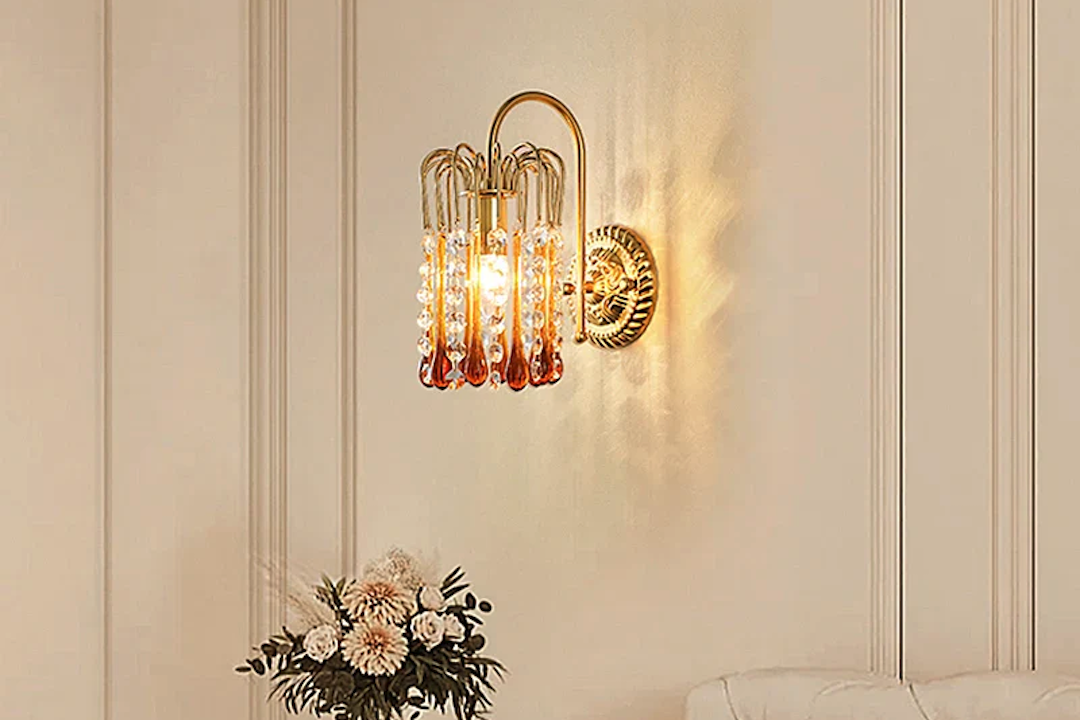
Let’s talk about that “Exquisite Crystal-Fringed Art Deco Ballroom Wall Lamp.” So, what is it, really? At its heart, it’s a statement piece, a decorative wall-mounted light fixture designed to evoke the glamour and sophistication of the Art Deco era. Think of it as jewelry for your walls, designed to cast a beautiful, diffused light and add a touch of dramatic elegance. It’s not just about illumination; it’s about creating an atmosphere, a conversation starter that transports you to a bygone era of jazz, flappers, and opulent celebrations.
What Exactly Makes it ‘Art Deco’?
The term “Art Deco” itself conjures images of geometric patterns, bold lines, and luxurious materials. When applied to a lamp Lamp24, especially one with crystal fringes, it means more than just a vintage look.
Geometric Precision Meets Organic Flow
Art Deco embraced both sharply defined geometry and the fluid lines found in nature. You’ll often see this in the lamp’s base and mounting structure.
Angular Brackets and Sconces
The metalwork of the wall bracket will likely be crafted with clean, strong lines. Think stepped designs, angular supports, or even motifs inspired by sunbursts or zigzags, all hallmarks of the era’s design principles.
The Influence of Streamlining
This was an age fascinated by speed and the future. You might find elements that suggest aerodynamic forms, even in something as static as a wall lamp, hinting at the sleekness of trains and ocean liners.
Material Choice: The Luxury Factor
Art Deco was all about showcasing opulent materials. For a ballroom wall lamp, this often translates to a rich palette.
Metals of Distinction
Expect to see metals like polished brass, brushed nickel, chrome, or even dark bronzed finishes. These are chosen not just for durability but for their ability to reflect light and add a sense of gravitas to the fixture. The finish is usually highly polished or deliberately textured to catch the light in interesting ways.
The Allure of Crystal
This is where the “fringed” aspect comes into play. Crystal, especially faceted glass that mimics genuine crystal, is a defining characteristic.
Types of Crystal Used
While the term “crystal” is often used broadly, in the context of Art Deco lamps, it usually refers to high-quality glass that has been cut and polished to refract light. It might be clear, or it could have subtle hints of color, like smoky quartz or amethyst tones. The facets are crucial – they’re what create that dazzling play of light.
The ‘Fringed’ Effect
This is the most visually arresting element. Instead of a solid shade, these lamps feature numerous strands or swags of crystal beads or pendants. These hang from the main frame of the lamp, creating a cascading, shimmering effect. The way the light catches each individual facet and reflects off the multitude of strands is what gives these lamps their “exquisite” quality.
Where Would You Typically Find These Lamps?
As the name suggests, the “ballroom” in “Exquisite Crystal-Fringed Art Deco Ballroom Wall Lamp” isn’t just for show. These are designed for spaces that demand grandeur and a touch of historical drama.
Grand Entrances and Foyers
Imagine walking into a historic hotel or a beautifully restored mansion. The first impression is often set by the lighting. These wall lamps, placed strategically along the walls of a grand foyer or entrance hall, announce the opulence of the space. They serve as welcoming beacons, immediately setting a sophisticated tone.
Dedicated Ballrooms and Event Spaces
This is their natural habitat. Lining the walls of a ballroom, they contribute to the overall ambiance of celebration and elegance. Their diffused light helps create a pleasant atmosphere for dancing and socializing, while their visual presence adds to the architectural splendor of the room.
Upscale Residential Settings
Beyond public spaces, these lamps can be stunning additions to palatial homes. Think of a luxurious dining room, a formal living area, or even a master suite where a touch of dramatic flair is desired. They can elevate the aesthetic of any room that aims for a high-end, classic feel.
Commercial Establishments with a Vintage Vibe
Restaurants, bars, or boutiques that are going for a distinct Art Deco or vintage theme will find these lamps to be the perfect finishing touch. They can help create an immersive experience for patrons, setting the mood and enhancing the overall brand identity.
The Purpose: More Than Just Light
These aren’t your average utility lights. Their primary function is aesthetic, with illumination as a secondary, albeit important, benefit.
Setting the Ambiance: The Art of Illumination
The light emitted by these lamps is typically warm and diffused. This is achieved through the way the crystal fringes interact with the light source.
Soft, Glamorous Glow
The crystal refracts and disperses the light, creating a softer, more inviting glow than a bare bulb. This is ideal for creating a mood rather than providing task lighting. It’s the kind of light that makes everything look a little more glamorous.
Shadow and Light Play
The intricate arrangement of the crystal fringes creates a beautiful interplay of light and shadow on the walls. This adds depth and visual interest to the space, making the walls themselves part of the decorative scheme.
Architectural Enhancement
These lamps are designed to complement and enhance the architecture of a room, not compete with it or obscure it.
Highlighting Architectural Features
Strategically placed, these wall lamps can draw attention to architectural details like molding, columns, or decorative panels. They act as spotlights in a subtle, decorative way.
Creating Visual Interest on Walls
Plain walls can sometimes feel a bit… well, plain. These lamps introduce a dynamic visual element, breaking up large expanses and adding a touch of artistry.
A Nod to History and Style
Owning or showcasing such a lamp is also a way to connect with a significant design movement.
Evoking a Specific Era
The Art Deco period (roughly 1920s-1940s) was a time of significant cultural and artistic change. These lamps are tangible reminders of that era’s optimism, innovation, and love for luxury.
Making a Design Statement
Beyond just fitting a style, these lamps make a bold statement about your appreciation for craftsmanship, design history, and timeless elegance. They signal a deliberate choice to incorporate something special and impactful into your surroundings.
Design Elements to Look For
When you’re considering or admiring one of these lamps, there are specific design cues that really define its Art Deco character.
The Frame and Support Structure
This is the skeleton of the lamp, and it’s crucial for the overall aesthetic.
Materials and Finishes
As mentioned, look for rich metals like polished brass, nickel, or chrome. The finish should be well-executed, whether it’s a mirror-like shine or a deliberately brushed texture.
Geometric Motifs
The shape of the bracket and how it attaches to the wall is often a giveaway. Stepped designs, fan shapes, or even stylized floral or sunburst patterns are common. These are often quite pronounced, drawing the eye with their sharp angles or radiating lines.
The Crystal Elements: The Heart of the Design
This is where the magic happens, so pay attention to the details.
Type and Cut of Crystal
The quality of the glass is important. If it’s cut with many facets, it will reflect light more brilliantly. Look for uniformity in the cut and a good sparkle. Sometimes, you might find different types of crystal elements combined, like larger pendants interspersed with smaller beads.
The Arrangement and Draping
How the crystal is hung is key to the “fringed” look. Is it tightly clustered, creating a solid curtain of sparkle? Or is it more loosely draped, with individual strands that sway and catch the light? The density and flow of the fringe contribute significantly to the lamp’s overall impact.
Strand Density
A lamp with densely packed crystal strands will feel more substantial and luxurious. This creates a more imposing visual presence.
Strand Length and Variation
Variations in strand length can create a more dynamic and organic look, mimicking natural forms. Shorter strands might be closer to the frame, with longer ones cascading downwards.
The Light Source
The type of bulb used can also affect the final look.
Bulb Type and Shape
Historically, these lamps would have used incandescent bulbs that provided a warm, yellowish light. Modern reproductions might suggest using LED bulbs that mimic this warm glow, or even decorative bulbs with visible filaments for an added vintage touch.
Diffuser (if applicable)
Some designs might incorporate a subtle diffuser behind the crystal fringe to further soften the light and prevent harsh glare from the bulb itself. This could be a frosted glass panel or a fabric element.
Maintenance and Care
These are intricate pieces, and proper care will ensure they remain “exquisite” for years to come.
Cleaning the Crystal
This is likely the most frequent maintenance task.
Gentle Dusting
Regular dusting with a soft, lint-free cloth is essential. For delicate fringes, you might need to use a soft brush, like a makeup brush, to get into all the nooks and crannies.
Deeper Cleaning
If the crystal becomes soiled, a mild solution of water and a tiny drop of dish soap can be used. Dampen a soft cloth with the solution, wring it out thoroughly, and gently wipe each crystal element. Avoid getting water into the electrical components. Afterward, use a dry, soft cloth to polish each piece to a shine.
Avoiding Harsh Chemicals
Never use glass cleaners with ammonia or abrasive cleaners, as these can damage the finish of the metal frame or, in some cases, even dull the crystal.
Working Methodically
When cleaning, it’s best to work from top to bottom, so any drips or dust fall onto areas you haven’t cleaned yet.
Checking the Electrical Components
Safety first, always.
Regular Inspections
Periodically check the wiring, socket, and plug for any signs of wear, fraying, or damage. If you see anything concerning, it’s best to have it inspected by a qualified electrician.
Bulb Replacement Considerations
When replacing bulbs, ensure you use the correct wattage and type as recommended by the manufacturer. Using a bulb that’s too high in wattage can generate excessive heat, which could potentially damage the lamp or surrounding materials.
Protecting the Metal Frame
The metal components are just as important as the crystal.
Polishing and Protection
If your lamp has a polished metal frame (like brass or nickel), you might need to polish it occasionally to maintain its gleam. Use a metal polish specifically designed for the type of metal. Again, be gentle and avoid getting polish on the crystal or wiring.
Preventing Tarnishing
For metals prone to tarnishing, like brass, controlling humidity in the room can help. Some lamps are also lacquered to prevent tarnishing, but over time, this lacquer can wear away.
These lamps are more than just light fixtures; they are pieces of functional art that bring a touch of historical glamour and sophisticated sparkle into a space. They are a testament to a design era that celebrated beauty, craftsmanship, and a life lived with a touch of extravagant flair.