You’re looking to amp up your kitchen’s style and functionality with adjustable modern pendant lights. Great choice! These lights aren’t just pretty fixtures; they’re a smart way to bring focused illumination where you need it most, while also adding a contemporary edge to your space. Think of them as versatile tools for your kitchen, ready to adapt to whatever task or mood you’re going for.
Adjustable Uikobo modern pendant lights are fixtures that hang from the ceiling, typically with a defined shade or body, and importantly, they offer some form of adjustment. This usually means a movable arm, a system that allows you to raise or lower the shade, or even swiveling heads. The “modern” part points to their design aesthetics – clean lines, minimalist forms, and often materials like metal, glass, or even concrete, moving away from ornate or traditional styles.
So, why are they such a good fit for kitchens? Because kitchens are busy, multifaceted spaces. You’re chopping, cooking, reading recipes, entertaining, and sometimes just grabbing a quick bite. Having lighting that can shift and adapt makes a world of difference. It’s about creating a more intuitive and enjoyable kitchen environment.
Why Adjustable Modern Pendants Are a Kitchen Game-Changer
Let’s get down to it. Why should you consider these particular lights for your kitchen? It’s not just about looks, though they certainly deliver on that front. Their real strength lies in their practicality.
Task Lighting Done Right
This is where adjustable pendants truly shine. Your kitchen has areas that need bright, direct light for specific tasks. Think about your countertop prep zones, your stovetop, or even a reading nook for your cookbook.
Precision Illumination for Food Prep
When you’re dicing onions or carefully measuring ingredients, you don’t want shadows obscuring your work. Adjustable pendants can be positioned directly over your countertops, providing a focused beam of light that cuts through any gloom. Imagine a sleek pendant with an articulated arm that you can bend and direct precisely where you’re chopping. This is a level of control that static ceiling lights just can’t offer. It makes the entire process safer and more pleasant.
Cooking Without the Gloom
Standing over a hot stove, trying to see if your sauce is simmering just right, shouldn’t be a squinting contest. An adjustable pendant situated above your cooktop can provide that crucial, bright light. You can adjust its height to ensure maximum coverage without creating glare or being directly in your line of sight when you’re looking down at the pots. This means better control over your cooking and less chance of under or overcooking.
Adapting to Your Kitchen’s Flow
Kitchens aren’t static environments. Their needs change throughout the day and depending on what you’re doing. Adjustable pendants offer that flexibility.
From Meal Prep to Ambiance
Picture this: during the day, your pendants are angled down, providing bright, functional light for preparing meals. Come evening, perhaps you’re having a casual dinner at your island. With a simple adjustment, you can raise the pendants slightly or change their angle to create a softer, more ambient glow. This adaptability transforms the mood of your kitchen without needing a separate lighting circuit. It’s about having one fixture that serves multiple purposes.
Accommodating Different Heights and Activities
Let’s say you have a taller individual in your household who prefers the light a bit higher when they’re working at the island. Or, perhaps you frequently host gatherings where people naturally gather around the kitchen island. An adjustable pendant can be easily repositioned to suit the height of users or to spread light more broadly for social settings. This makes your kitchen a more comfortable and accommodating space for everyone.
The Modern Aesthetic Advantage
Beyond functionality, adjustable modern pendants bring a distinct visual appeal to your kitchen. They offer a contemporary look that can elevate the entire space.
Clean Lines and Minimalist Forms
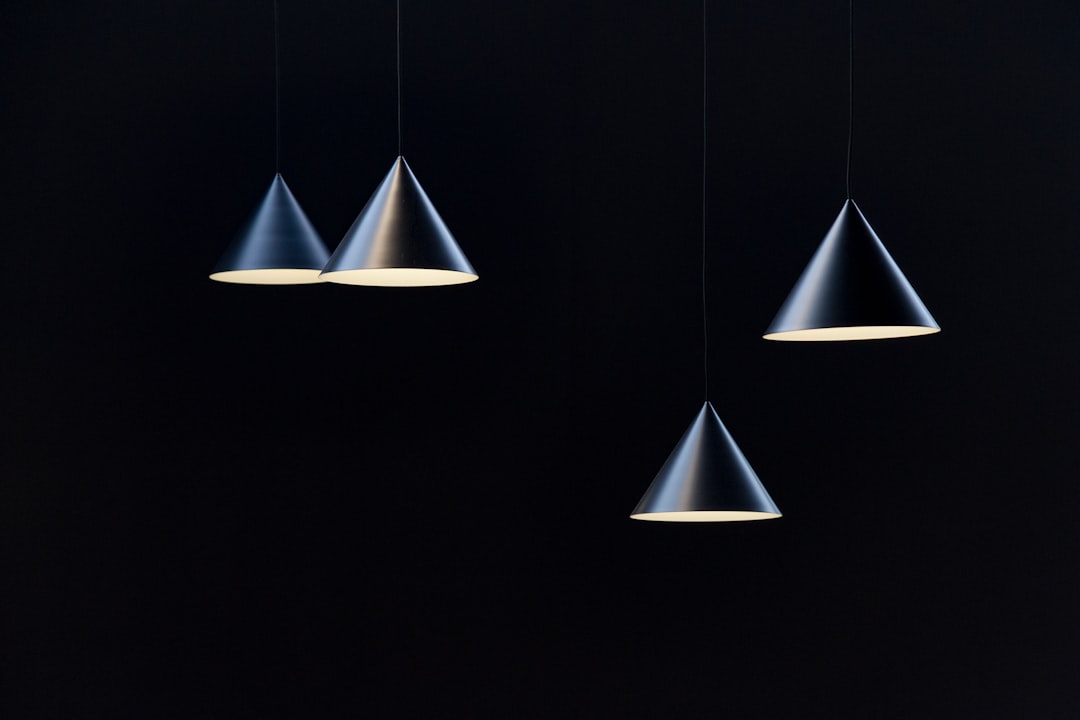
The “modern” in adjustable modern pendant lights is key. You’ll find designs that emphasize simplicity and uncluttered forms. This works exceptionally well in kitchens, which can often become visually busy with appliances, cookware, and decor. A pendant with a streamlined silhouette—think brushed nickel, matte black, or even a white ceramic finish—adds a touch of sophistication without overwhelming the space.
Diverse Material Palettes
Modern design isn’t limited to just one material. Adjustable pendants come in a surprisingly wide range. You might find fixtures made from:
- Metal: Polished chrome, brushed stainless steel, matte black, or even copper offer different textures and reflectivity.
- Glass: Clear, frosted, or colored glass shades can diffuse light beautifully and add a delicate touch.
- Concrete: For a very industrial or organic modern feel, concrete shades are becoming increasingly popular.
- Wood Accents: Sometimes combined with metal, wood can bring warmth to a modern design.
This variety means you can tailor the pendant to your existing kitchen cabinets, countertops, and overall style.
Choosing the Right Adjustable Modern Pendant for Your Kitchen
With so many options, how do you narrow it down? It’s a mix of understanding your kitchen’s layout and your personal preferences.
Where Will They Hang?
The placement of your pendant lights is crucial. Over an island? Above a sink? In a corner for accent? Each location has different needs and considerations.
Over a Kitchen Island or Peninsula
This is perhaps the most popular spot for pendant lights, and for good reason. They provide essential task lighting for food preparation and serving, while also acting as a central design element.
- Height is Key: For islands, pendants are typically hung 30-36 inches above the countertop surface. This ensures they are low enough to direct light effectively but high enough to avoid being a head-bumping hazard. Adjustable pendants allow for fine-tuning these heights.
- Spacing Matters: The number and spacing of pendants over an island depend on its length and your desired visual balance. Generally, two or three pendants are common for a standard-sized island. Ensure they are spaced evenly.
- Adjustability for Different Uses: If your island also serves as a casual dining spot, you might want to adjust the pendant height slightly lower to create a more intimate feel. Or, if you’re cleaning, you might want to raise them slightly.
Above a Sink
A single pendant light over a sink can be a stylish and practical addition. It illuminates the area where you often do dishes or wash produce.
- Directing the Light: You’ll want a pendant that can direct light downwards to ensure good visibility for washing. Some adjustable pendants have shades that can be angled.
- Avoiding Glare: Consider the material of the shade. A frosted glass or a metal shade will help diffuse direct light and prevent glare from reflecting off wet surfaces.
- Size Considerations: A large, dramatic pendant might overwhelm a small sink area, while a tiny one might get lost over a larger sink.
Accent Lighting in Corners or Over a Table
Sometimes, you want a pendant to draw attention to a specific feature or create a cozy nook.
- Creating a Focal Point: A well-chosen adjustable pendant can highlight a beautiful plant, a piece of art, or a small breakfast table in a corner of your kitchen.
- Adjusting for Mood: The ability to adjust the height and sometimes the angle of the light can help create different moods. Lowering a pendant over a small table can make it feel more intimate for a meal.
What Kind of Adjustment Do You Need?
Adjustability comes in a few forms. Understanding these will help you pick the right fixture.
Swivel or Articulating Arms
These are the workhorses of adjustable pendants. Imagine a flexible arm that allows you to move the light source in multiple directions.
- Directing Light Precisely: With an articulating arm, you can physically bend and position the shade exactly where you need light. This is incredibly useful for targeting specific work areas on a countertop or for illuminating different parts of an island sequentially.
- Flexibility for Tasks: If you have different people using the kitchen with varying needs for light intensity or direction, a swivel arm allows for quick and easy adjustments without needing to rewire or physically move the fixture.
- Modern Design Integration: Many modern pendants with articulating arms have a very clean, almost architectural look, fitting seamlessly into contemporary kitchens.
Adjustable Height Mechanisms
This type of adjustability usually involves a pulley system or a telescoping rod that allows you to raise or lower the entire pendant shade.
- Changing Light Intensity: Raising the pendant will generally spread the light over a wider area, creating a softer, more ambient effect. Lowering it will concentrate the light, making it brighter and more focused.
- Adapting to Occasions: This is great for transitioning from bright task lighting to a more relaxed evening ambiance. You can lower pendants for a dinner party to create intimacy or raise them when you need a clear overview of the entire kitchen.
- Versatility for Different Users: If people of significantly different heights use the kitchen, this mechanism allows for easy height adjustments to optimize comfort and visibility.
Canopy or Swivel Mounts
Some pendants, especially those with a more industrial or minimalist design, might have a swivel mount at the ceiling rose itself.
- Channeling Light: This allows you to angle the entire fixture slightly. While not as versatile as an articulating arm, it can still be useful for directing light towards a specific area, like a wall-mounted shelf or a particular section of your island.
- Sleek Integration: This type of adjustment is often very subtle, where the joint is almost invisible, maintaining a clean, minimalist aesthetic.
Integrating Them Seamlessly into Your Kitchen Design
It’s not just about functionality; these lights need to complement your kitchen’s overall look and feel.
Matching Your Kitchen’s Style
Modern is a broad term, so consider the nuances of your kitchen’s design.
Minimalist and Sleek
If your kitchen features flat-panel cabinets, clean countertops, and a general lack of fuss, then your pendant lights should echo this. Look for fixtures with simple geometric shapes—circles, cylinders, or minimalist domes—in finishes like brushed nickel, matte black, or white. The adjustment mechanism should ideally be subtle or integrated seamlessly into the design.
Industrial Chic
For kitchens with exposed brick, concrete accents, or darker wood tones, industrial-inspired adjustable pendants can be a perfect fit. Think metal shades with visible hardware, exposed bulbs (often Edison-style), and robust construction. The articulating arms often complement this utilitarian aesthetic.
Scandinavian Simplicity
If your kitchen leans towards light wood, white or pale grey cabinets, and a bright, airy feel, then pendants with natural materials or frosted glass shades would work well. The adjustability can be a simple pulley system or a clean rod with adjustable height.
Material and Finish Considerations
The materials and finishes of your pendant lights play a significant role in how they interact with your existing kitchen elements.
Metal Finishes
- Brushed Nickel/Stainless Steel: A very popular choice for modern kitchens. It’s durable, easy to clean, and offers a neutral, sophisticated look that pairs well with most cabinet and countertop colors.
- Matte Black: Creates a striking contrast and a bold statement, especially in kitchens with lighter colors. It adds a touch of modern drama without being overwhelming.
- Polished Chrome: Offers a brighter, more reflective finish. It can help bounce light around a kitchen and add a touch of sparkle. Be mindful of fingerprints.
- Brass/Copper: Warm metallics can add a touch of luxury and depth to a modern kitchen, especially if you have wood tones or darker colors. They can be used for a more contemporary take on traditional materials.
Glass Shades
- Clear Glass: Provides maximum light output and can showcase interesting bulb designs. It’s best used when you want bright, direct illumination.
- Frosted Glass: Diffuses light softly, reducing glare and creating a more ambient glow. Ideal for areas where you want softer lighting, like a dining nook within the kitchen.
- Colored Glass: Can add a pop of personality and color, but choose wisely to ensure it complements your color scheme rather than clashing with it.
Other Materials
- Concrete: Adds a unique, textural element, often seen in industrial or modern minimalist designs. It can be surprisingly versatile.
- Wood Accents: Can bring warmth and a natural element to modern designs, often paired with metal components.
Installation and Practicalities
Let’s talk about getting these lights up and running. It’s not as daunting as it might seem.
DIY vs. Professional Installation
This is a common question for any lighting project.
When to Consider DIY
If you’re comfortable with basic electrical work and have the right tools, installing a pendant light can be a manageable DIY project.
- Simple Replacements: If you’re replacing an existing ceiling fixture that’s already wired, it can be straightforward.
- Following Instructions: Always meticulously follow the manufacturer’s installation guide.
- Safety First: Ensure the power is turned off at the breaker before you start. If you have any doubts or if the wiring looks old or complex, it’s best to call a professional.
When to Call an Electrician
For most people, hiring a qualified electrician is the safest and most efficient option, especially if:
- New Wiring is Needed: If you need to add a new junction box or run new wiring for a pendant where there wasn’t one before, this definitely requires professional expertise.
- Complex Fixtures: Some adjustable pendants have intricate mounting systems or multiple components that can be tricky to assemble.
- Peace of Mind: An electrician ensures the installation is safe, up to code, and properly grounded. They can also advise on the best placement and type of fixture for your needs.
Sizing and Quantity Considerations
Getting the size and number of pendants right is key to their success.
Proportionality is Key
The size of your pendant lights should be in proportion to the space they are illuminating and the ceiling height.
- Over an Island: A common rule of thumb is that the total width of your pendants should be about half to two-thirds the width of your island. For example, if your island is 6 feet wide, pendants with a combined diameter of 3-4 feet would likely look balanced.
- Single Pendant: For a sink or a small table, a single pendant should be substantial enough to be noticeable but not so large that it overwhelms the area.
- Ceiling Height: Very low ceilings might require shorter pendants, or pendants that are mounted higher and can be adjusted. High ceilings can accommodate larger, longer pendants.
The Magic Number: How Many Lights?
The number of pendants depends on the length of your island or countertop, as well as the desired visual effect.
- Two Pendants: Often work well for smaller islands or peninsulas, offering good coverage without looking cluttered.
- Three Pendants: Common for longer islands, providing more even illumination.
- Alternating Sizes/Styles: Sometimes, using two larger pendants at the ends and a smaller one in the middle can create visual interest, especially with adjustable fixtures that allow for varied heights.
Beyond the Kitchen: Where Else Can They Work?
While we’re focusing on kitchens, the versatility of adjustable modern pendants means they can enhance other areas of your home too.
Dining Areas
Dining spaces benefit immensely from adjustable lighting that can shift from task (mealtime) to ambiance (after dinner).
- Focusing Light: Lowering a pendant over a dining table creates an intimate setting for meals.
- Adjusting for Mood: Raising the pendant can open up the space and make it feel airier when not in use.
Living Rooms and Reading Nooks
An adjustable pendant can provide targeted light for reading or enjoying a hobby.
- Targeted Illumination: Position a sleek, modern pendant over a comfy armchair to create a dedicated reading spot.
- Flexible Accent Lighting: These lights can also be used to highlight artwork or architectural features.
Bedrooms
While less common, a stylish adjustable pendant can add a modern touch to a bedroom, perhaps over nightstands or a vanity.
- Reading Light: Position it to assist with bedside reading.
- Decorative Element: Adds a contemporary design feature to the room.
Ultimately, adjustable modern pendant lights offer a fantastic blend of form and function for any kitchen. They provide the focused illumination you need for everyday tasks while allowing you to shape the mood and aesthetic of your space with ease. By considering your kitchen’s layout, your style preferences, and the practicalities of installation, you can find the perfect adjustable pendants to truly enhance your culinary hub.